FolkWorks
-
Photographed 2016 - present
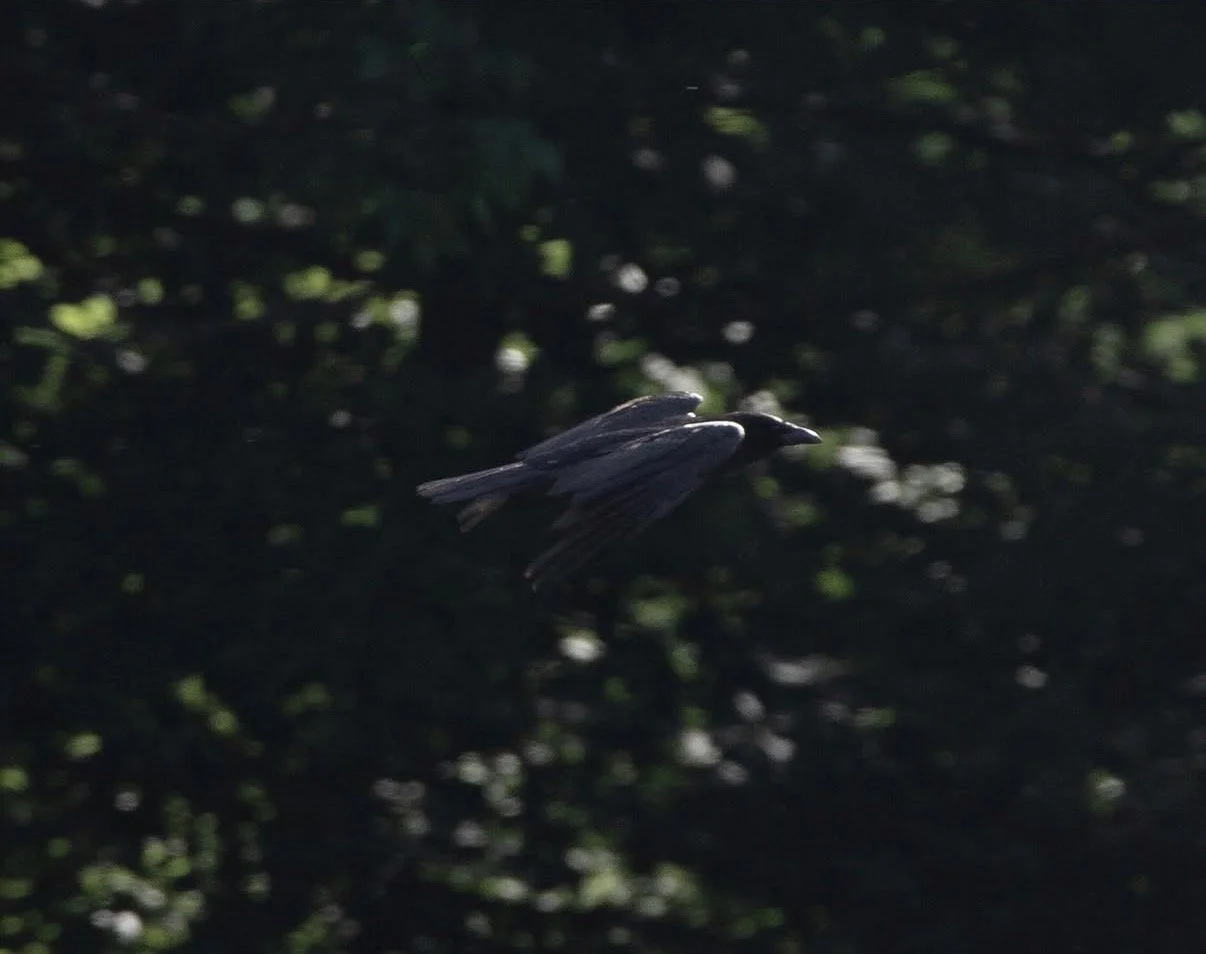
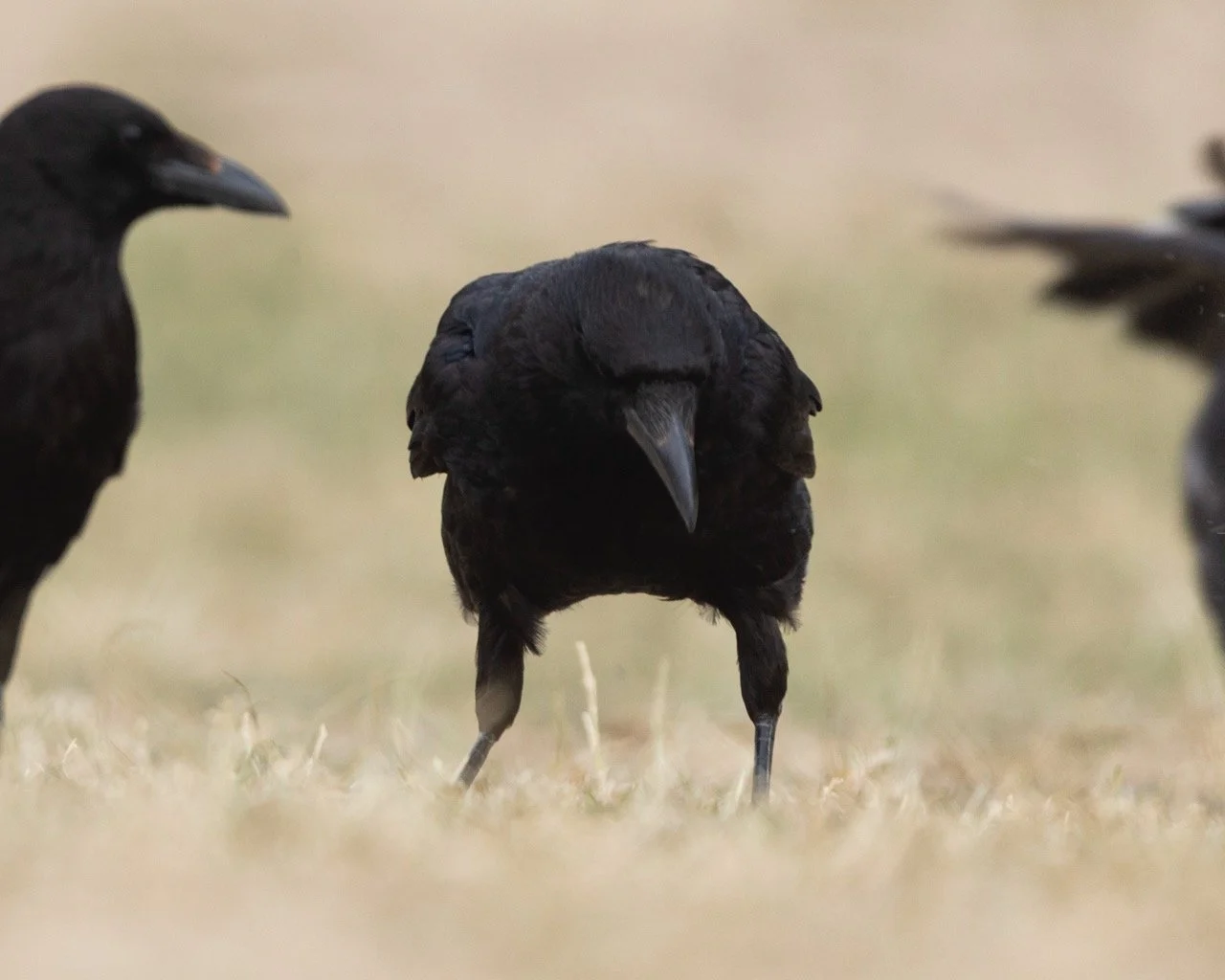
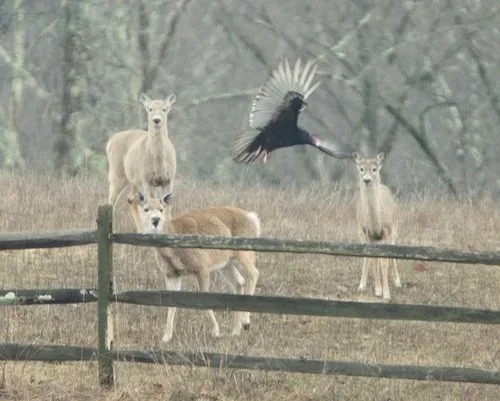
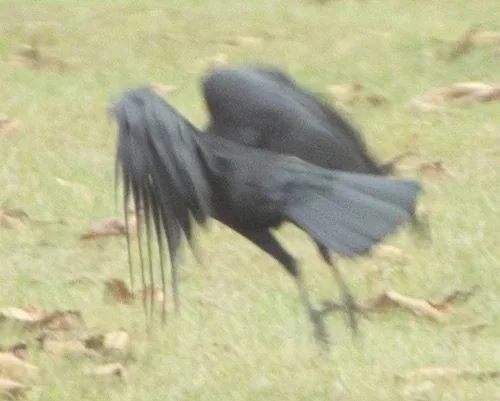
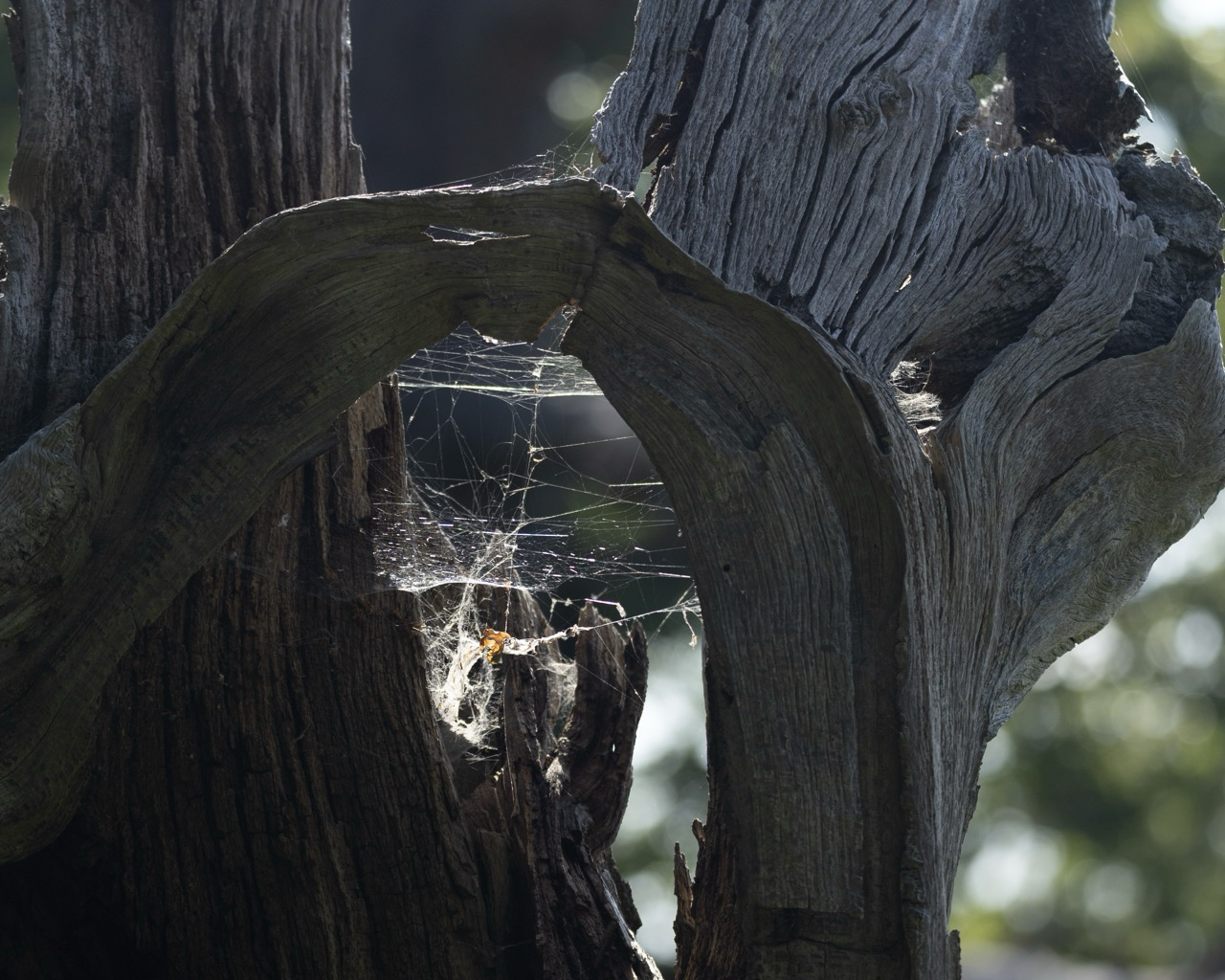
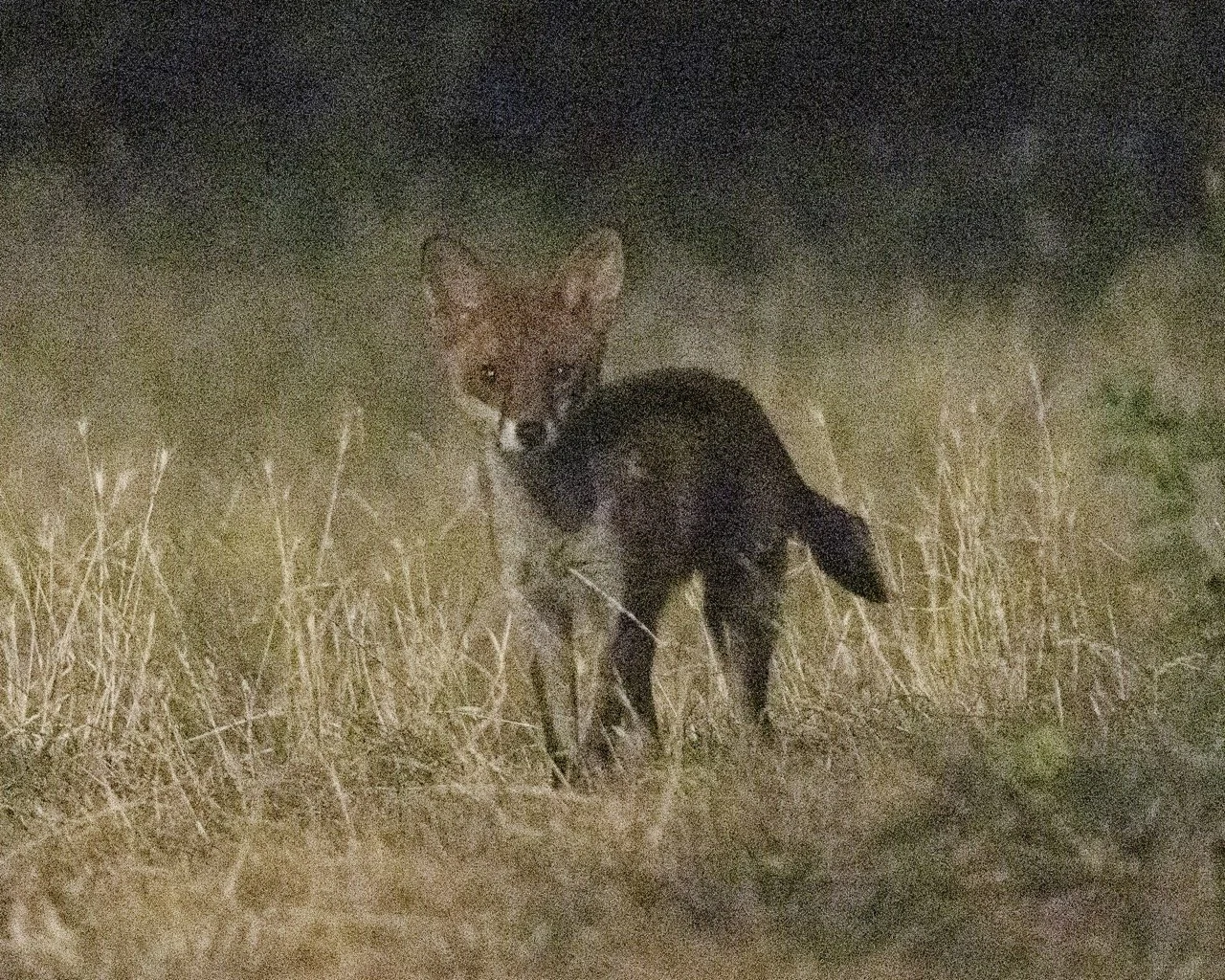
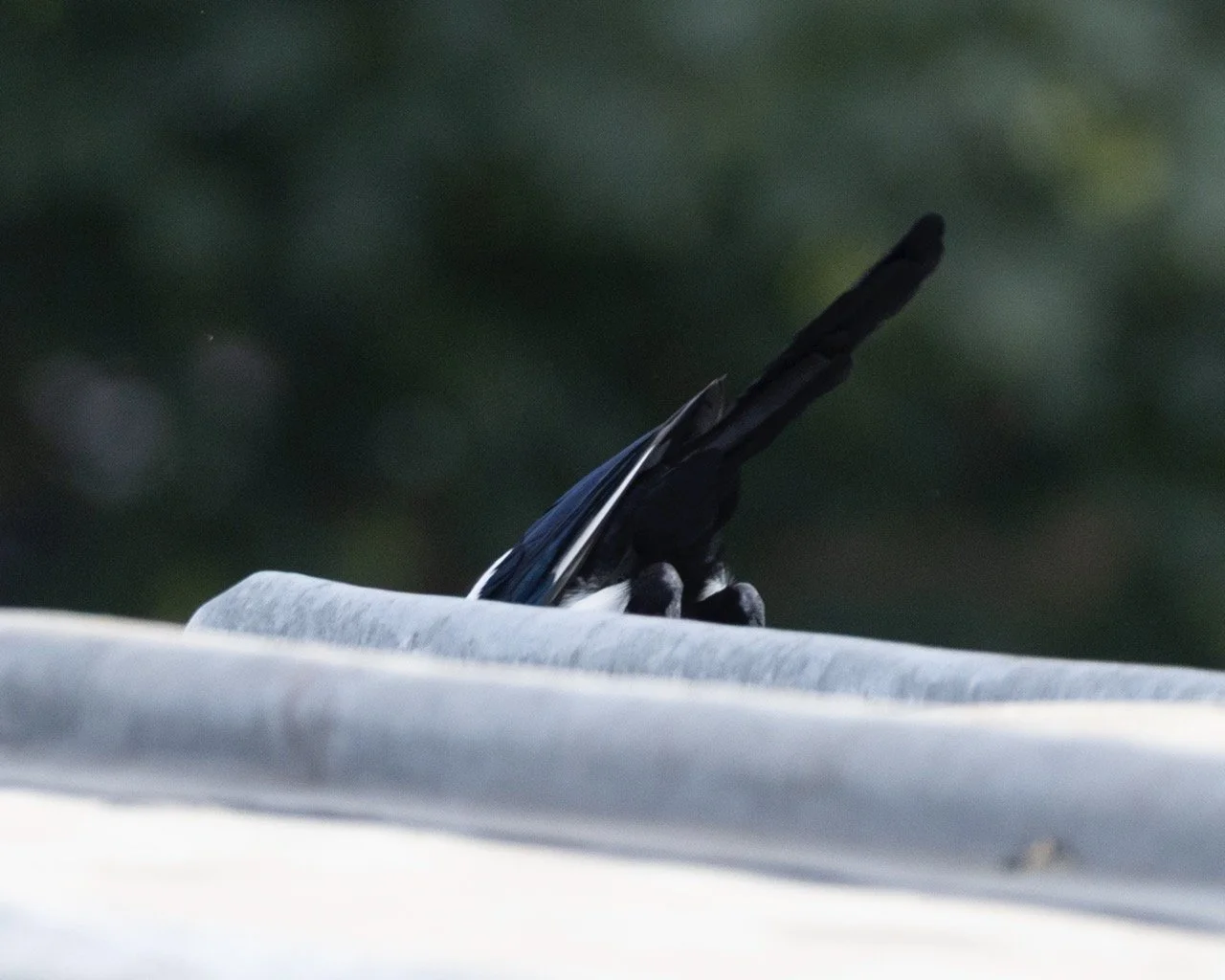
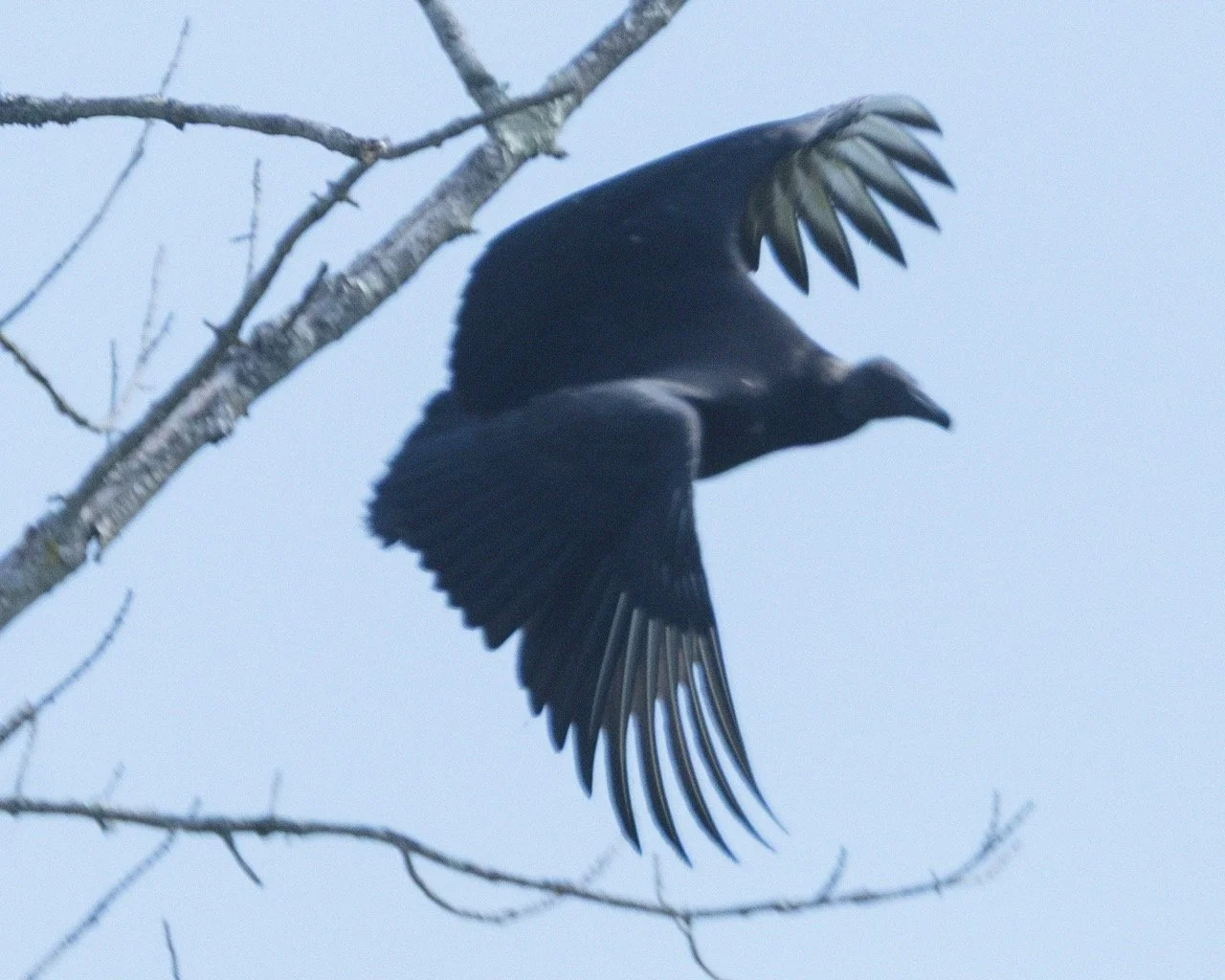
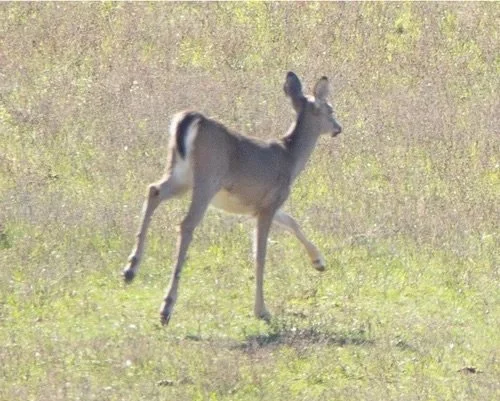
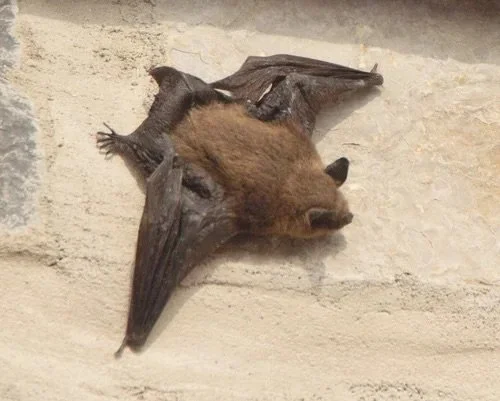
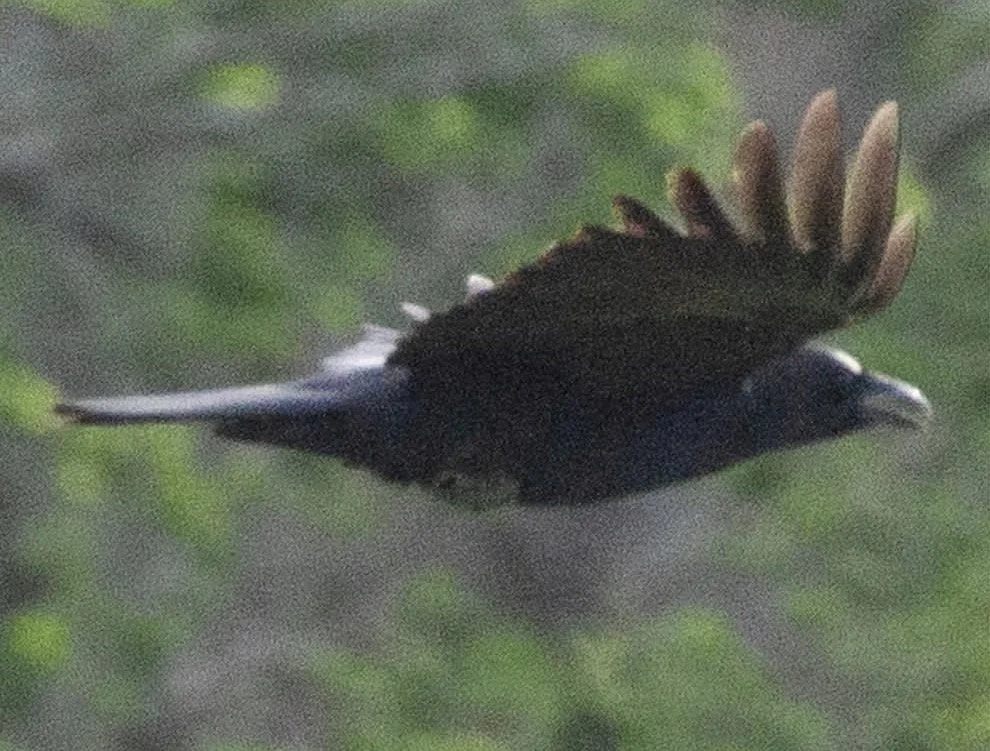
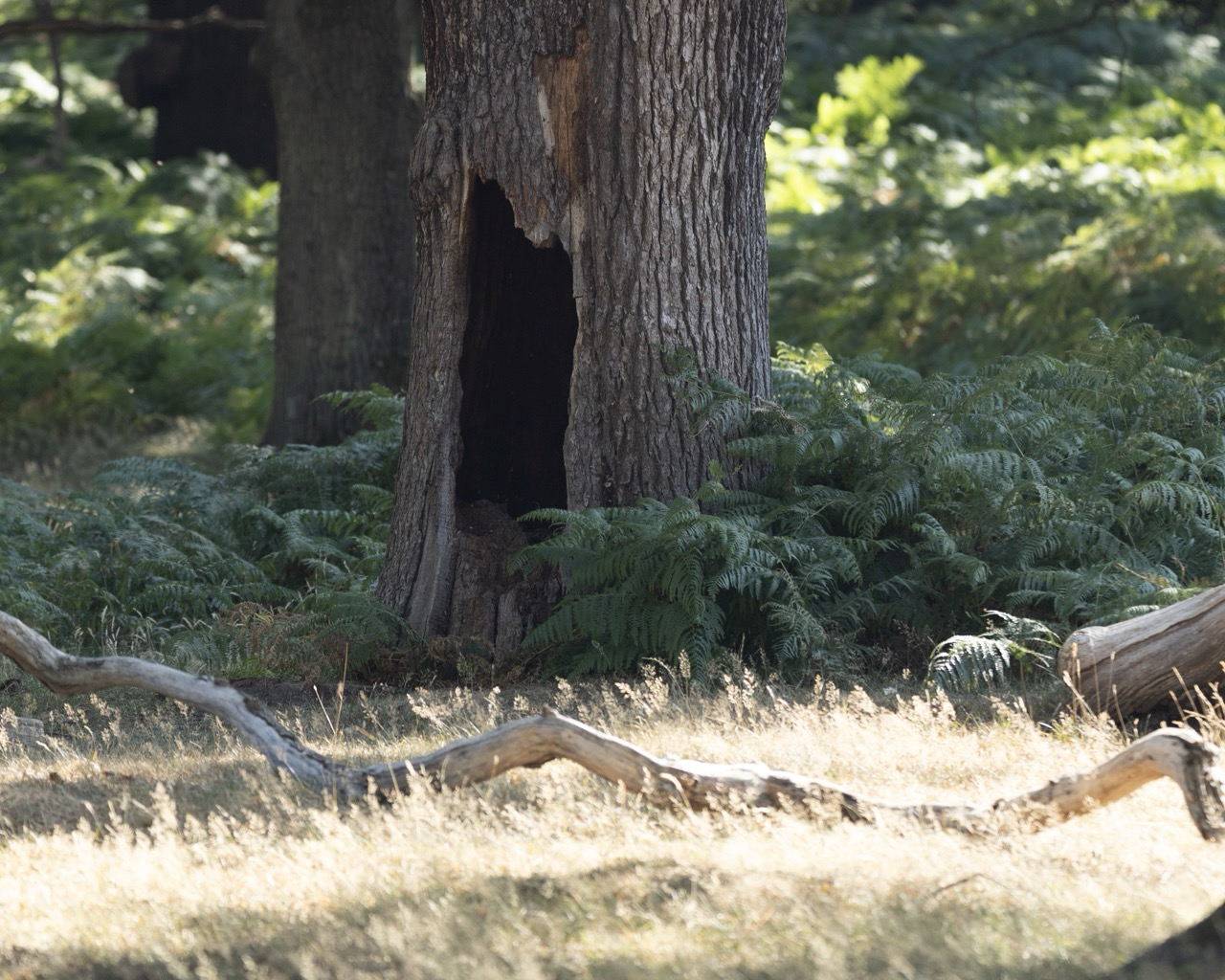
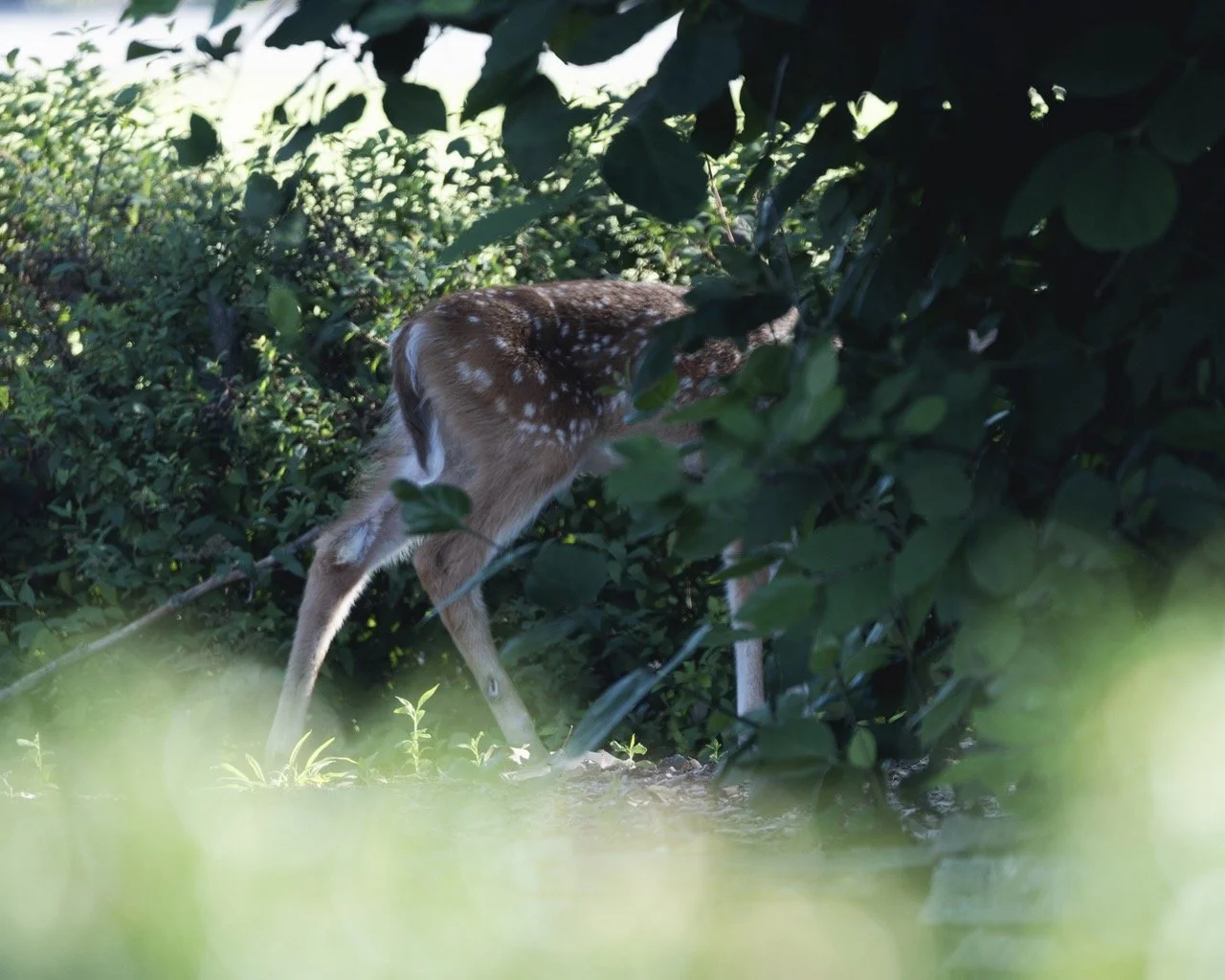
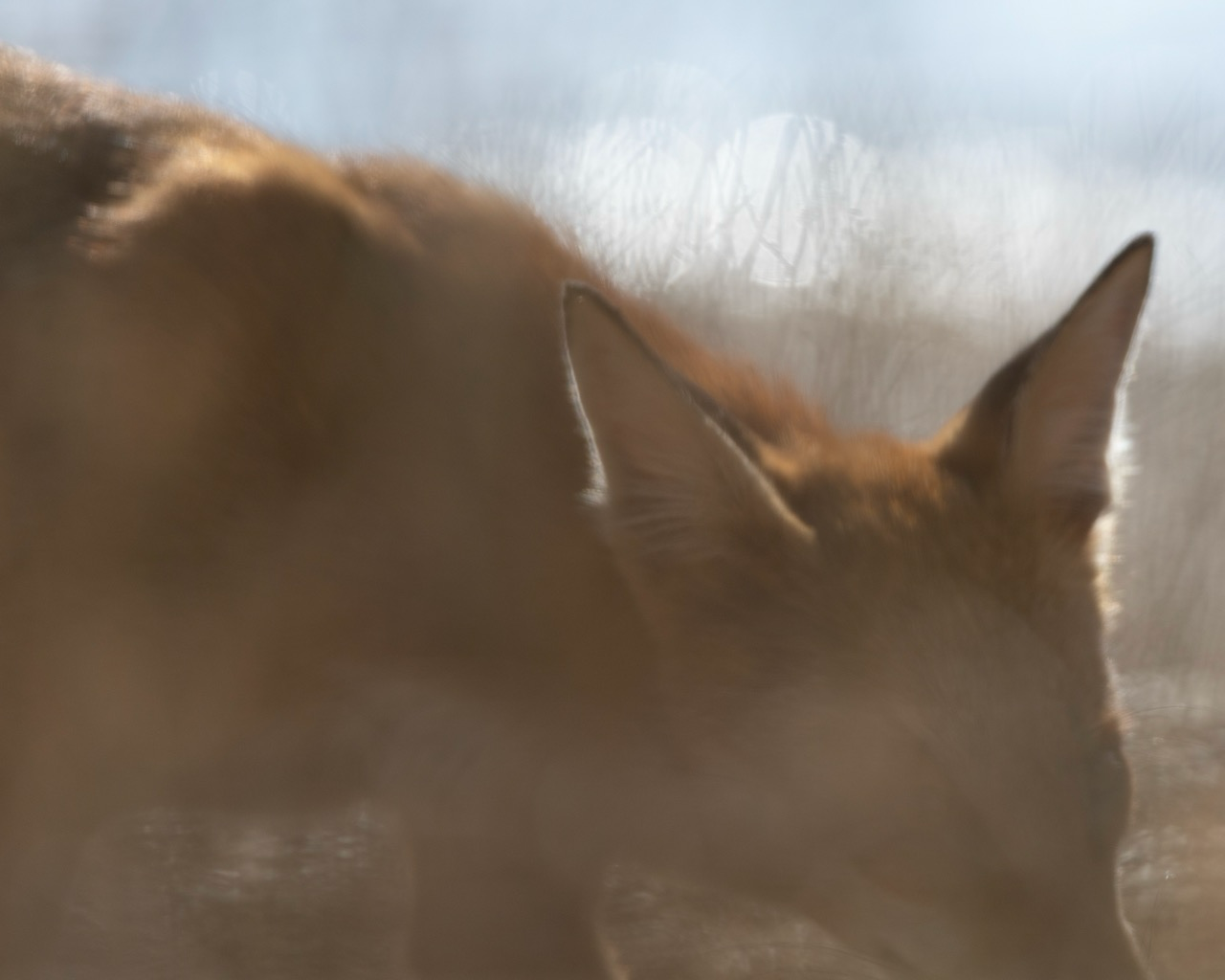
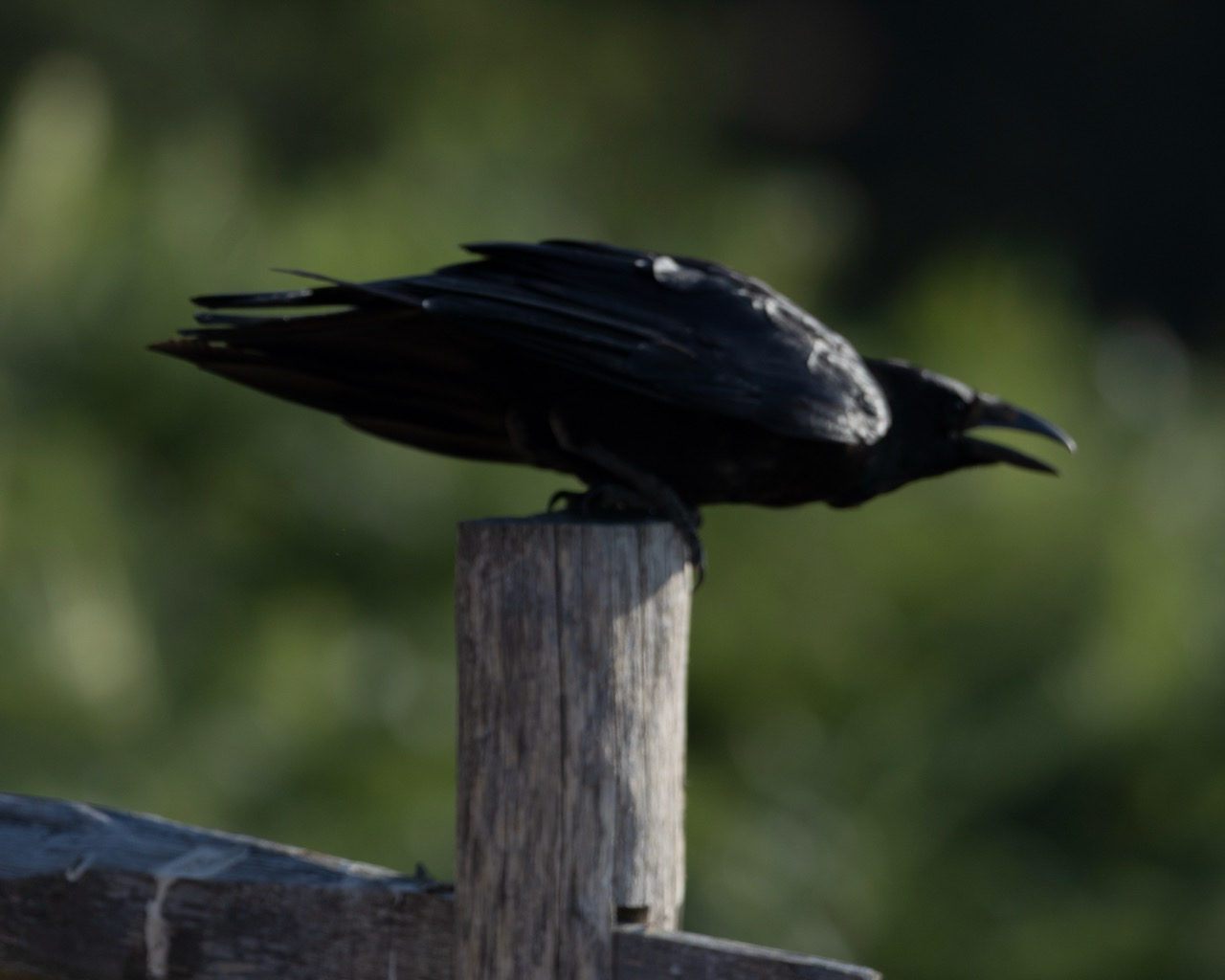
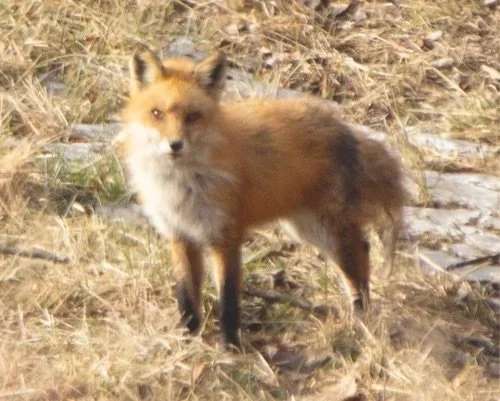
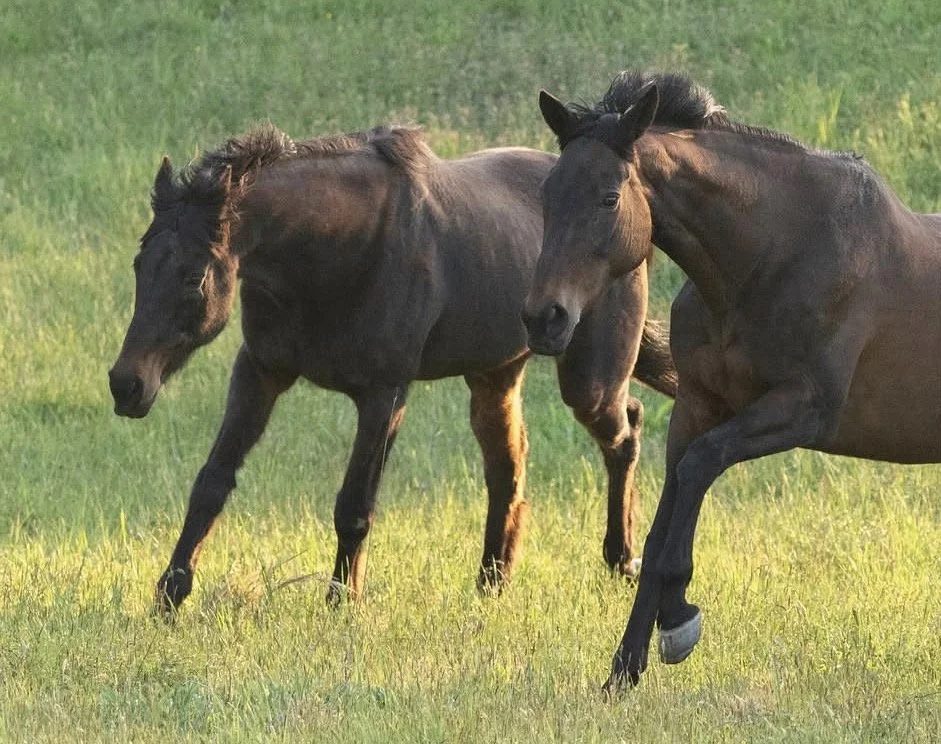
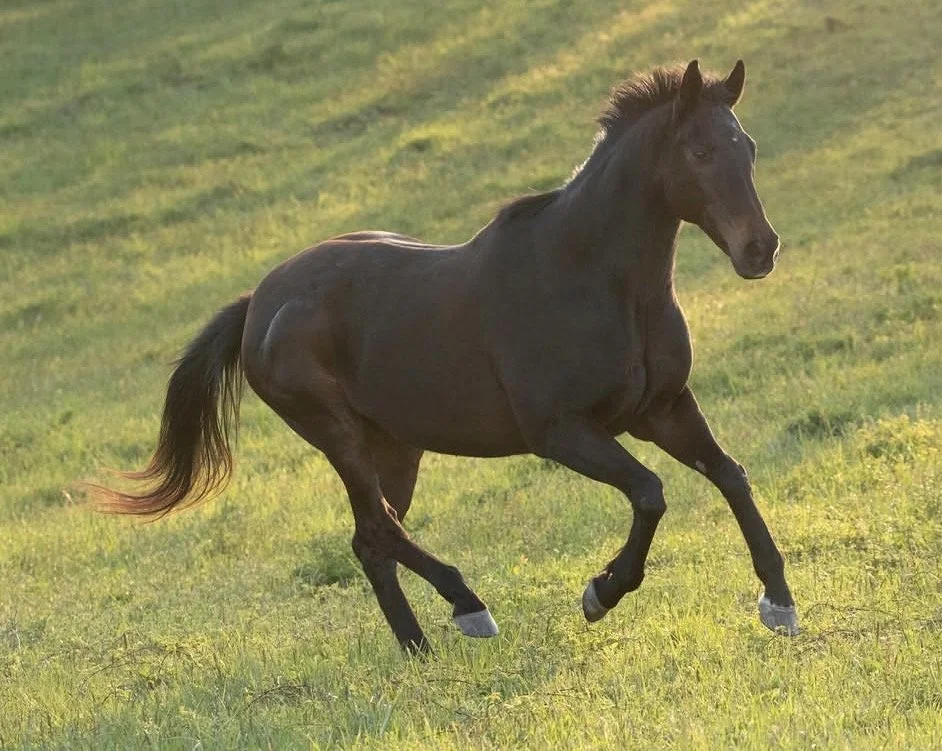
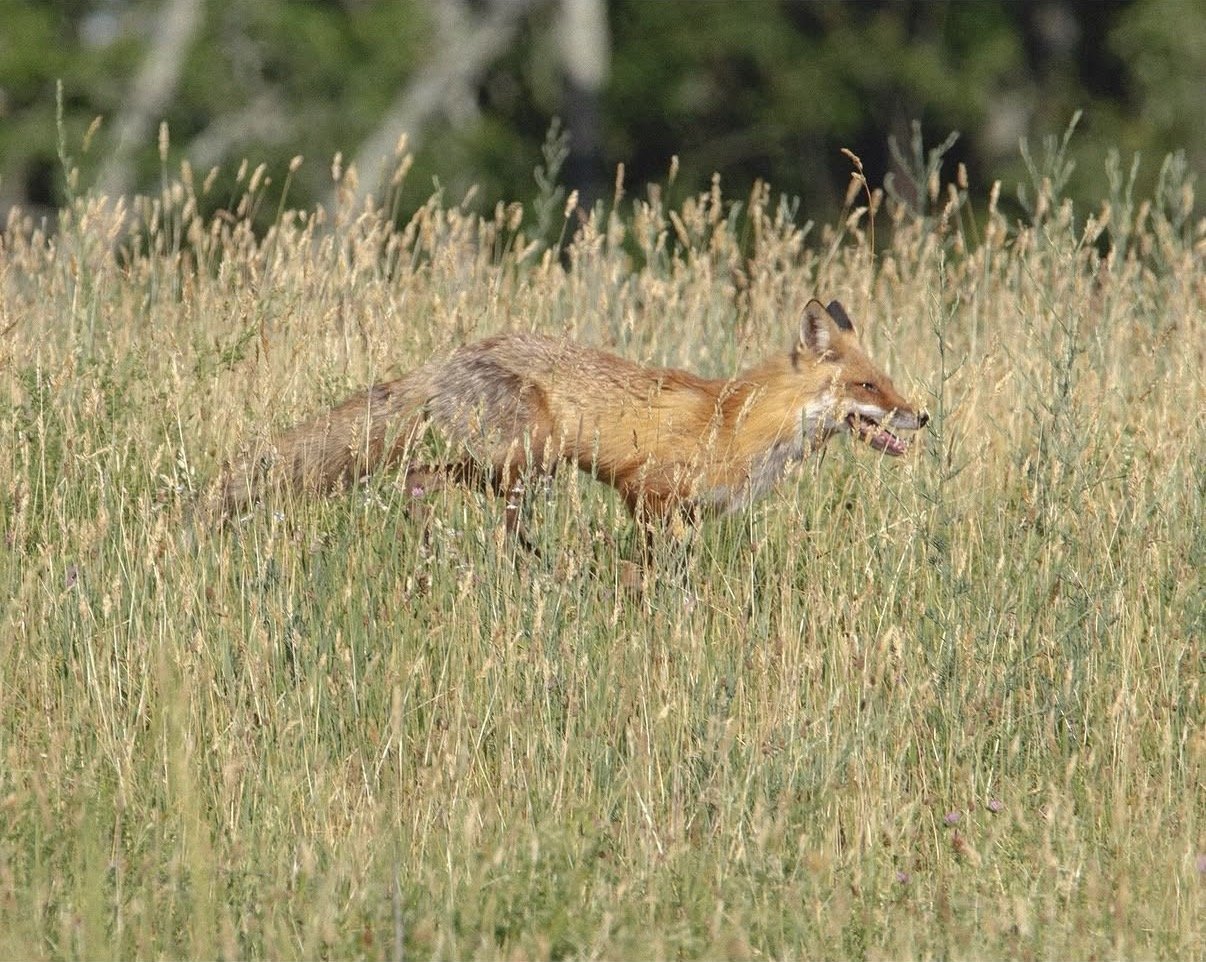
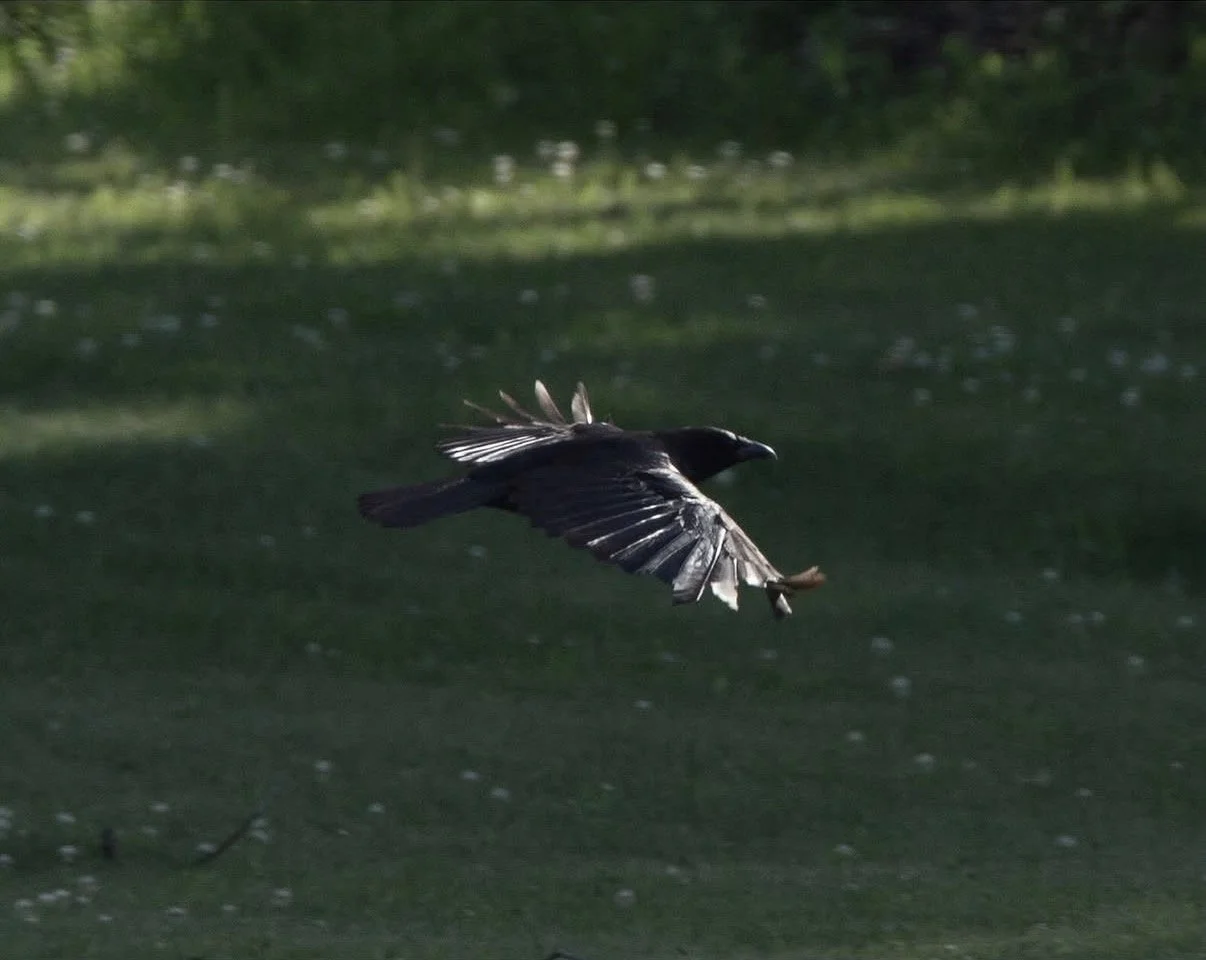
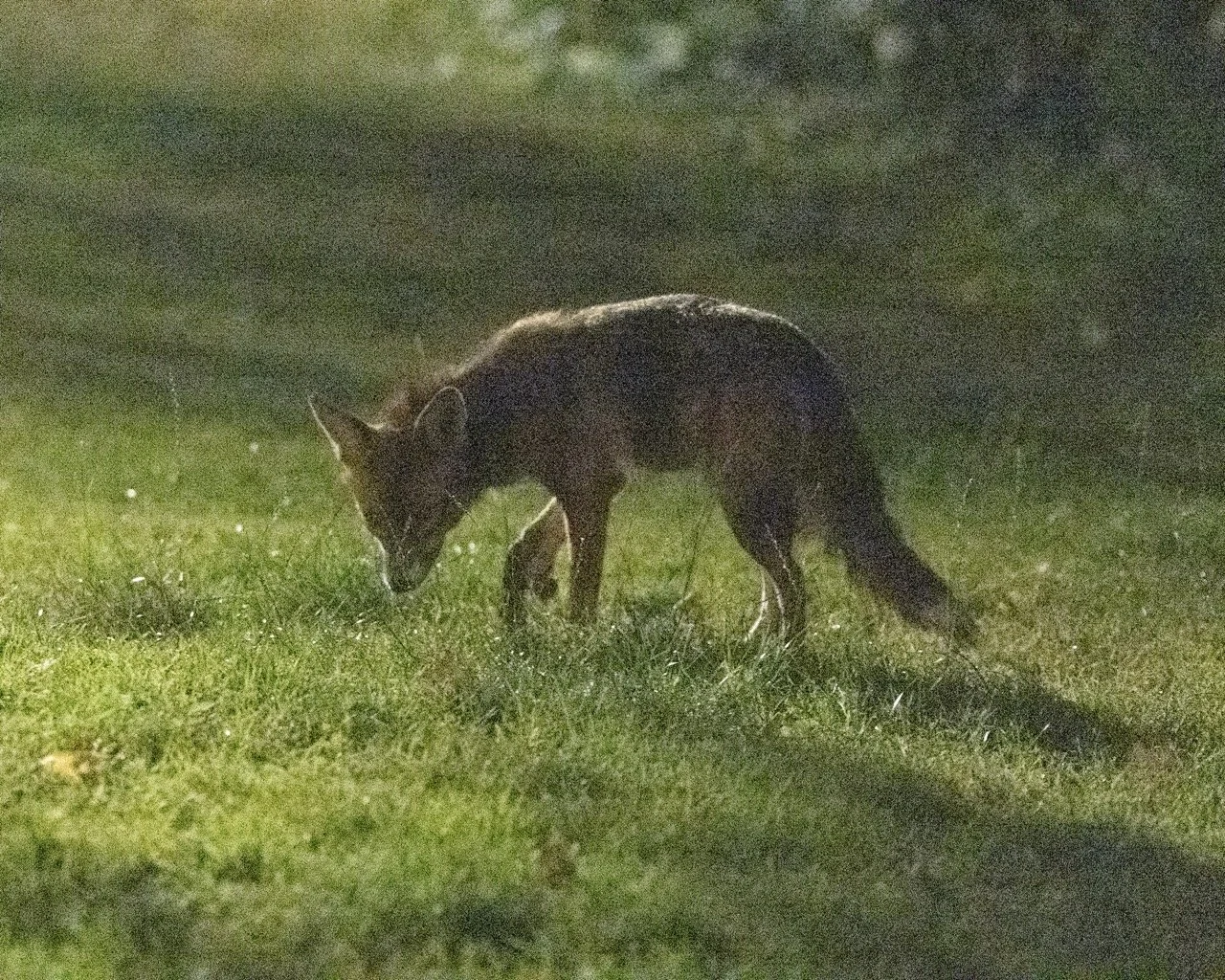
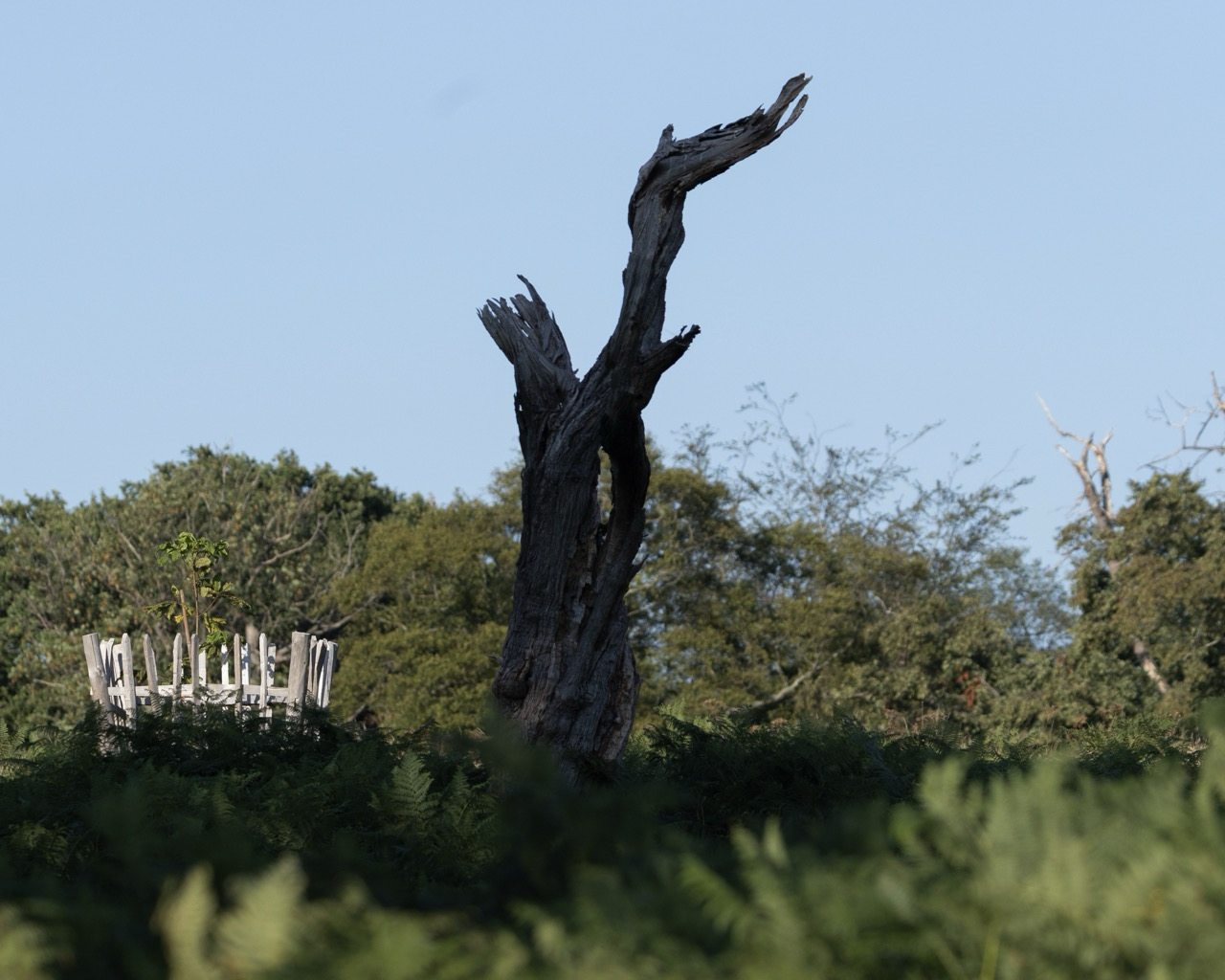
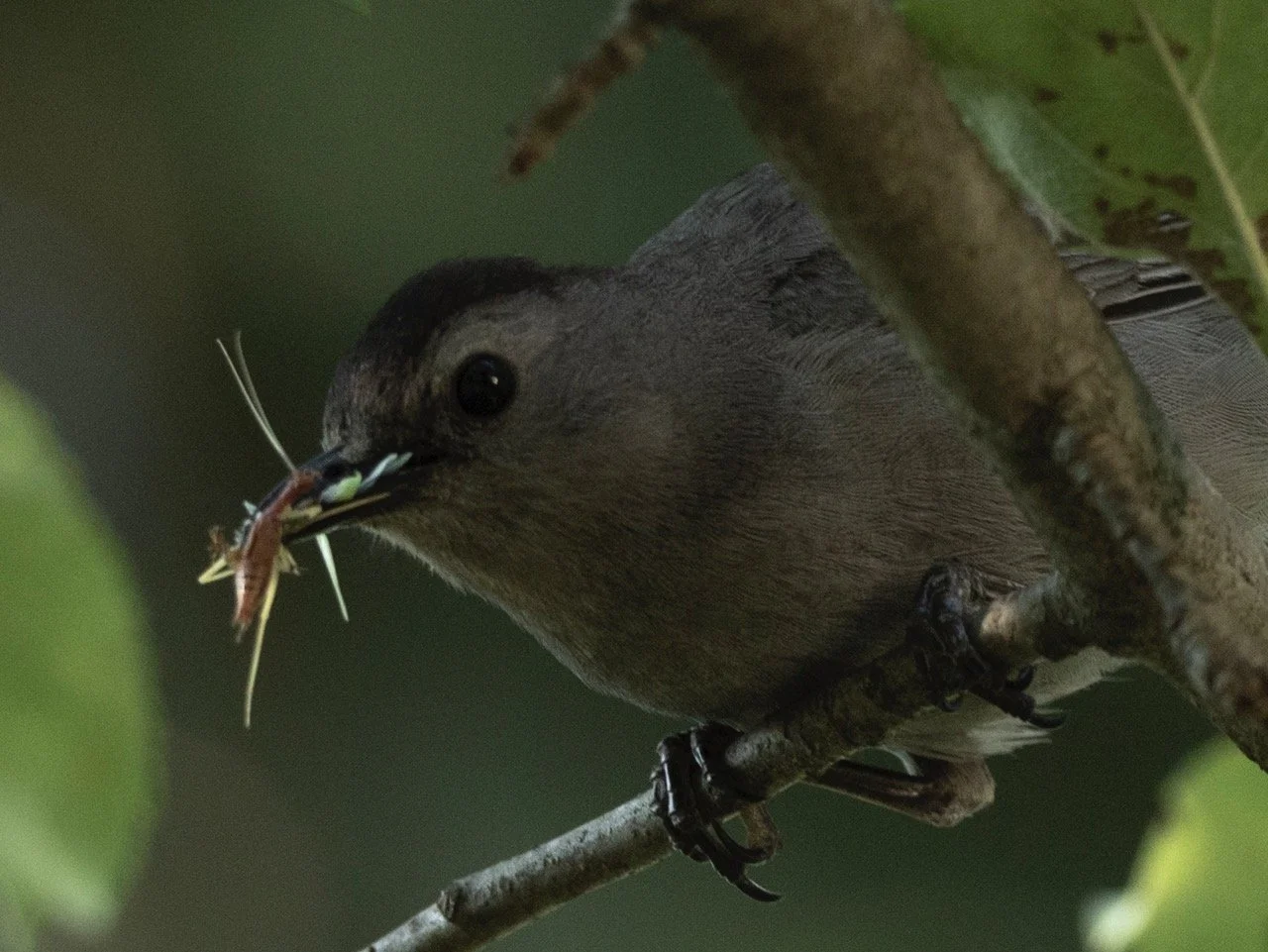
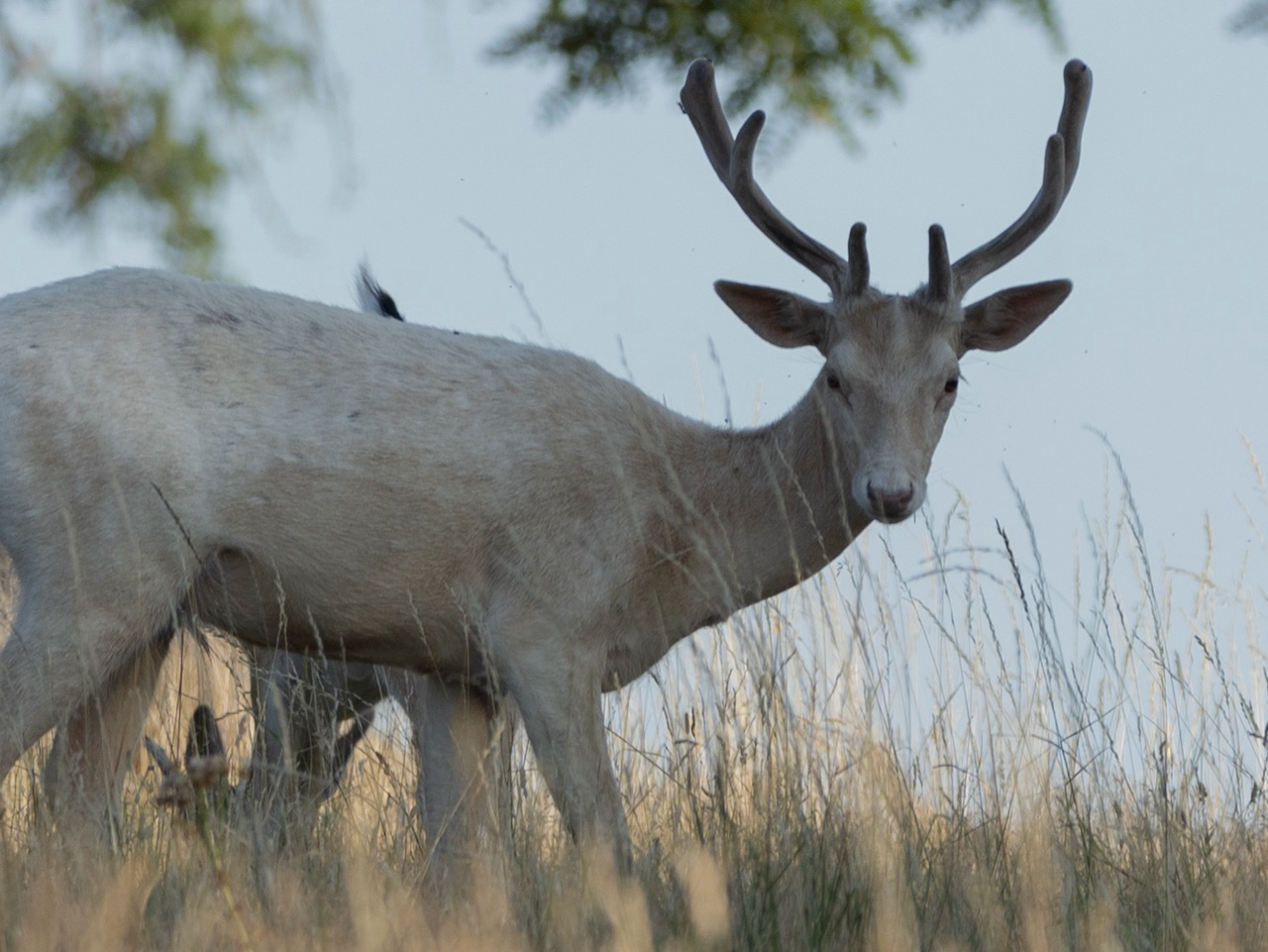
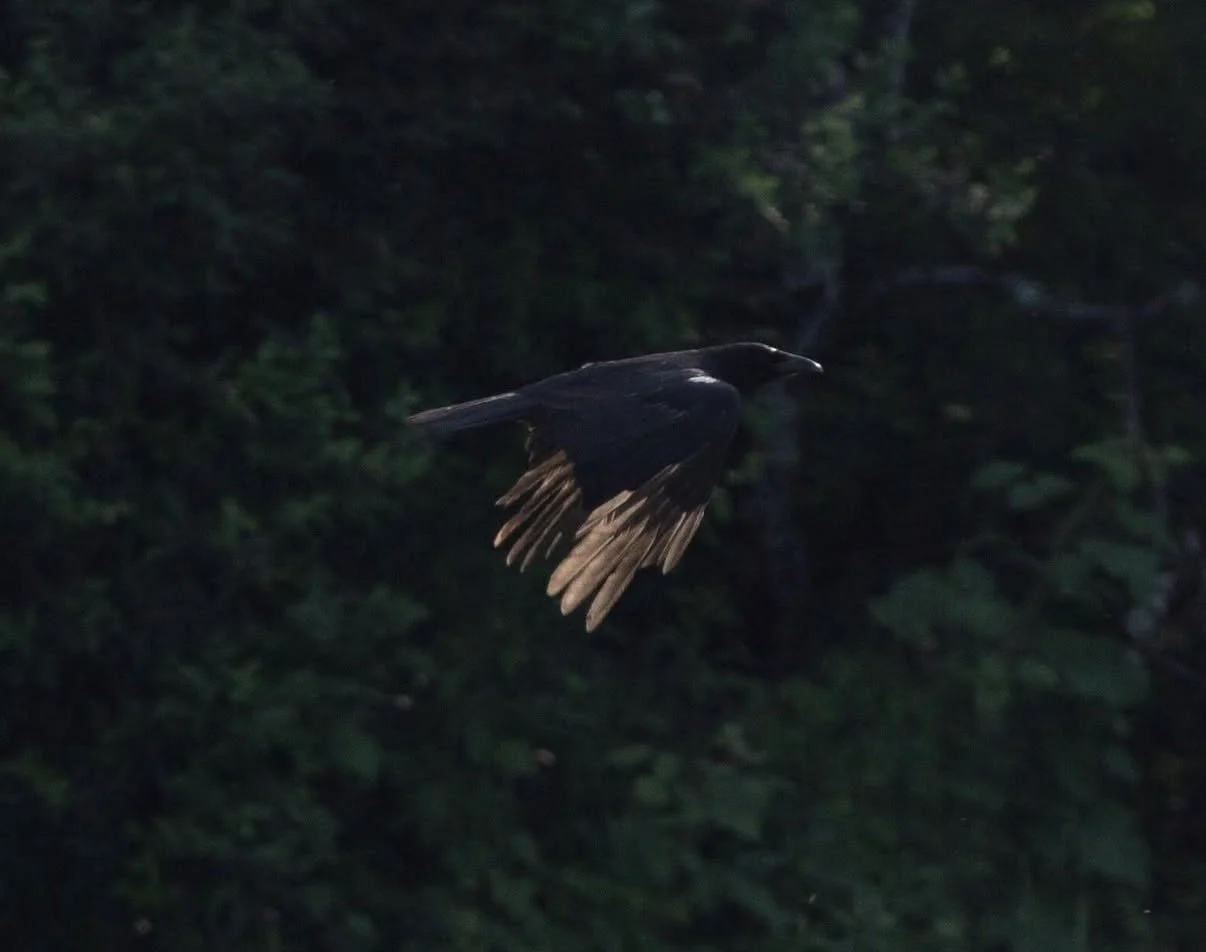
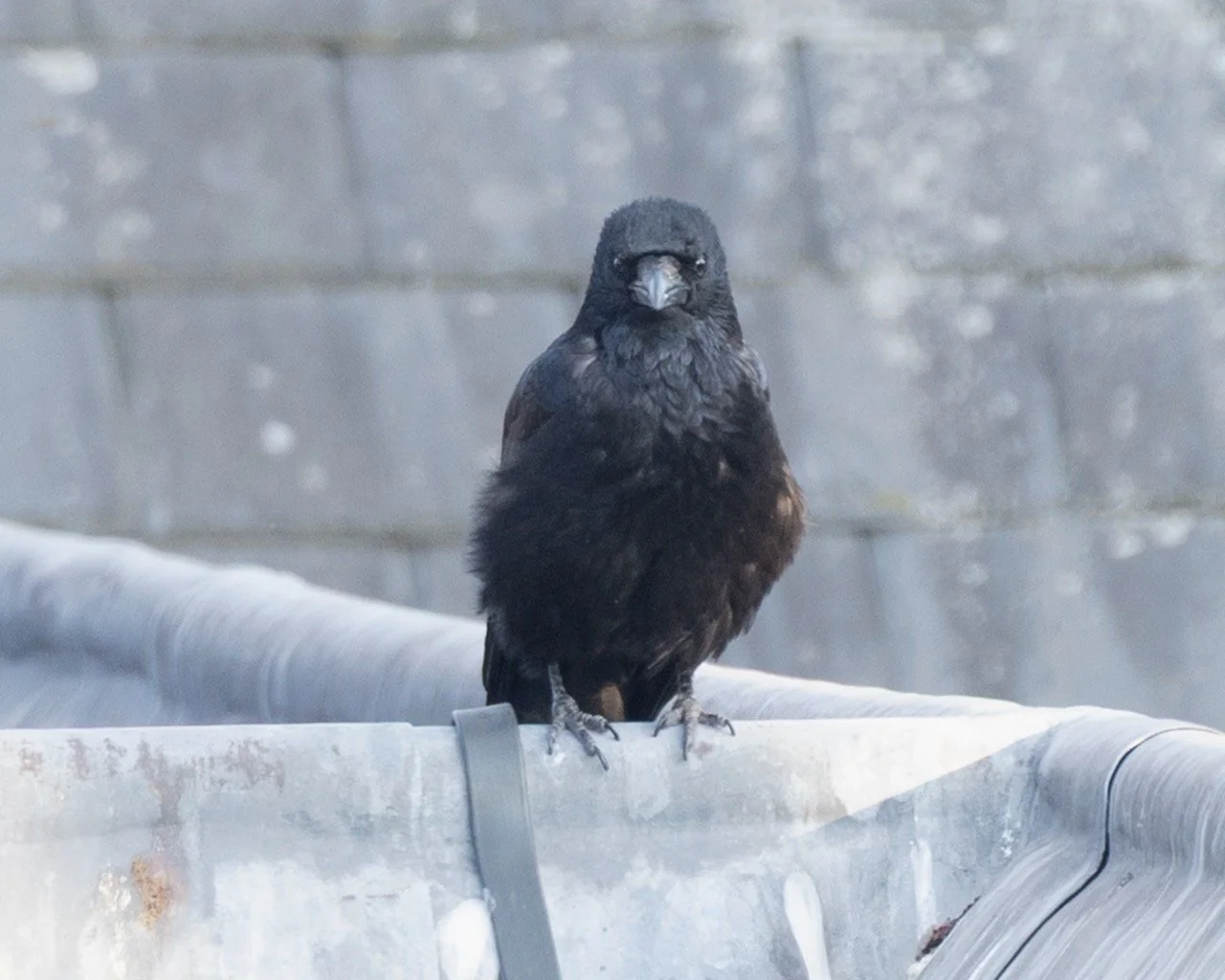
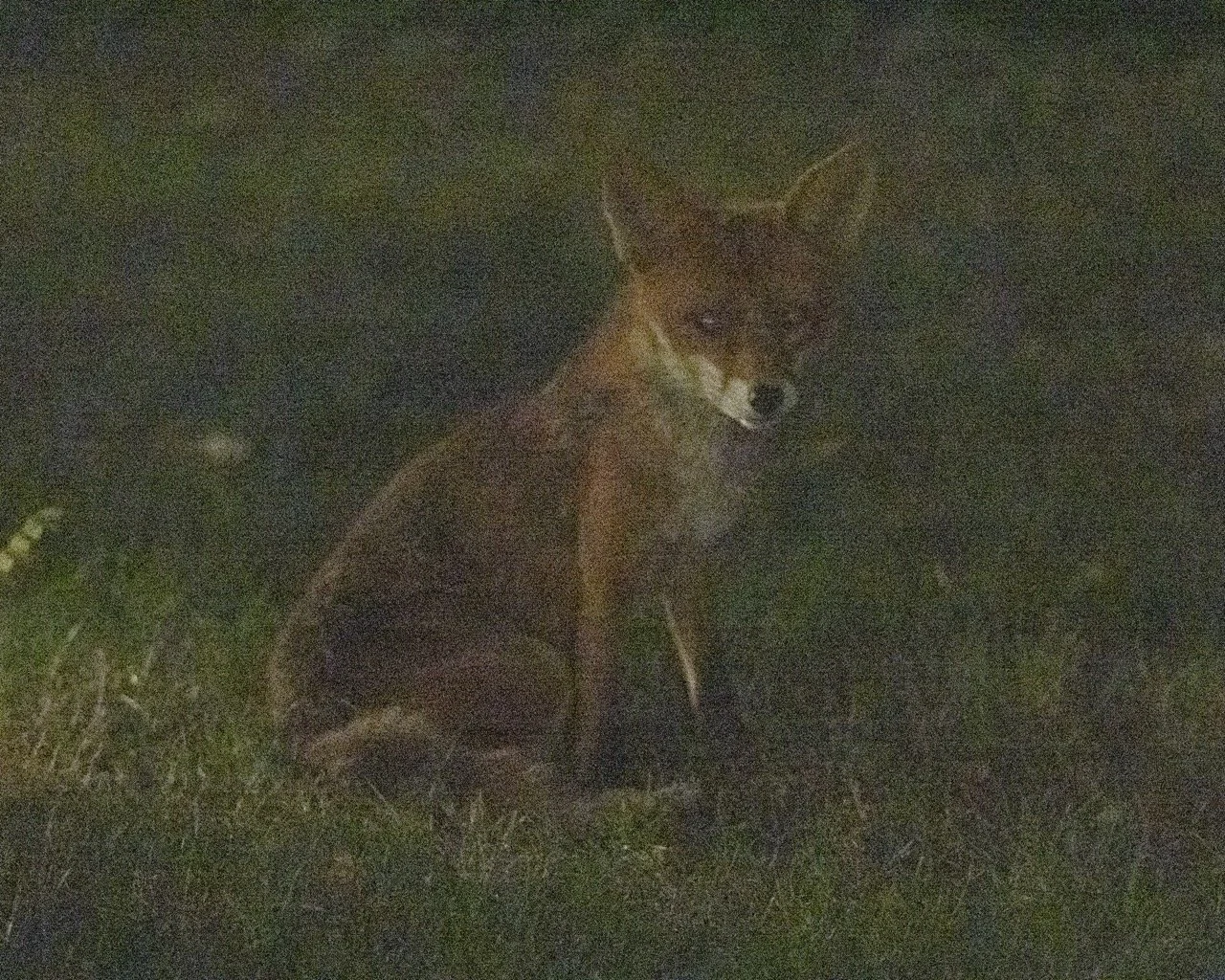
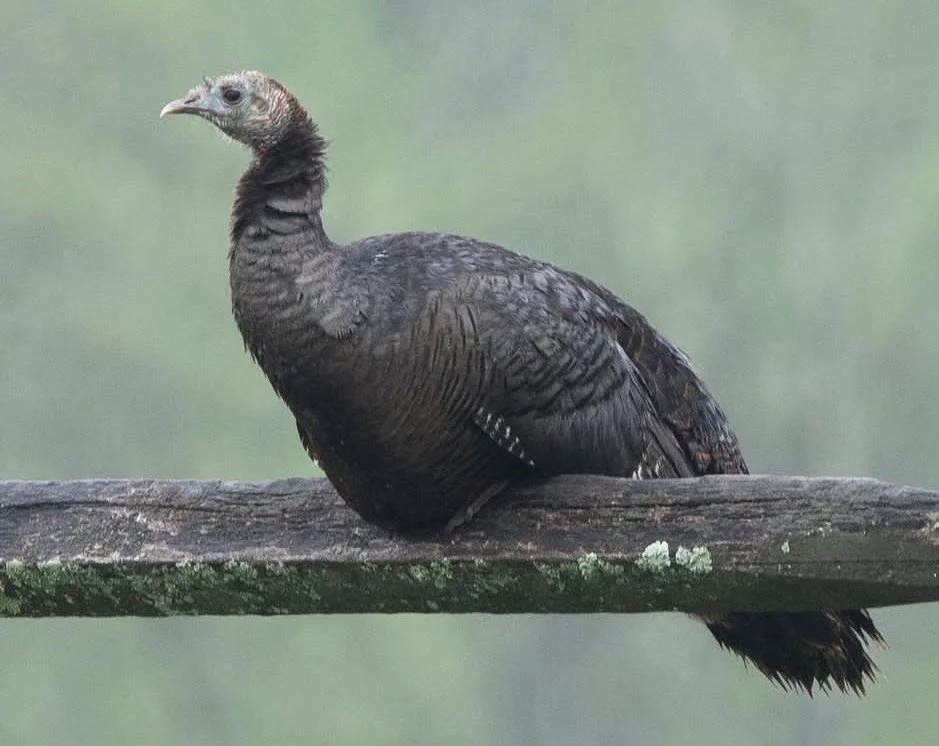
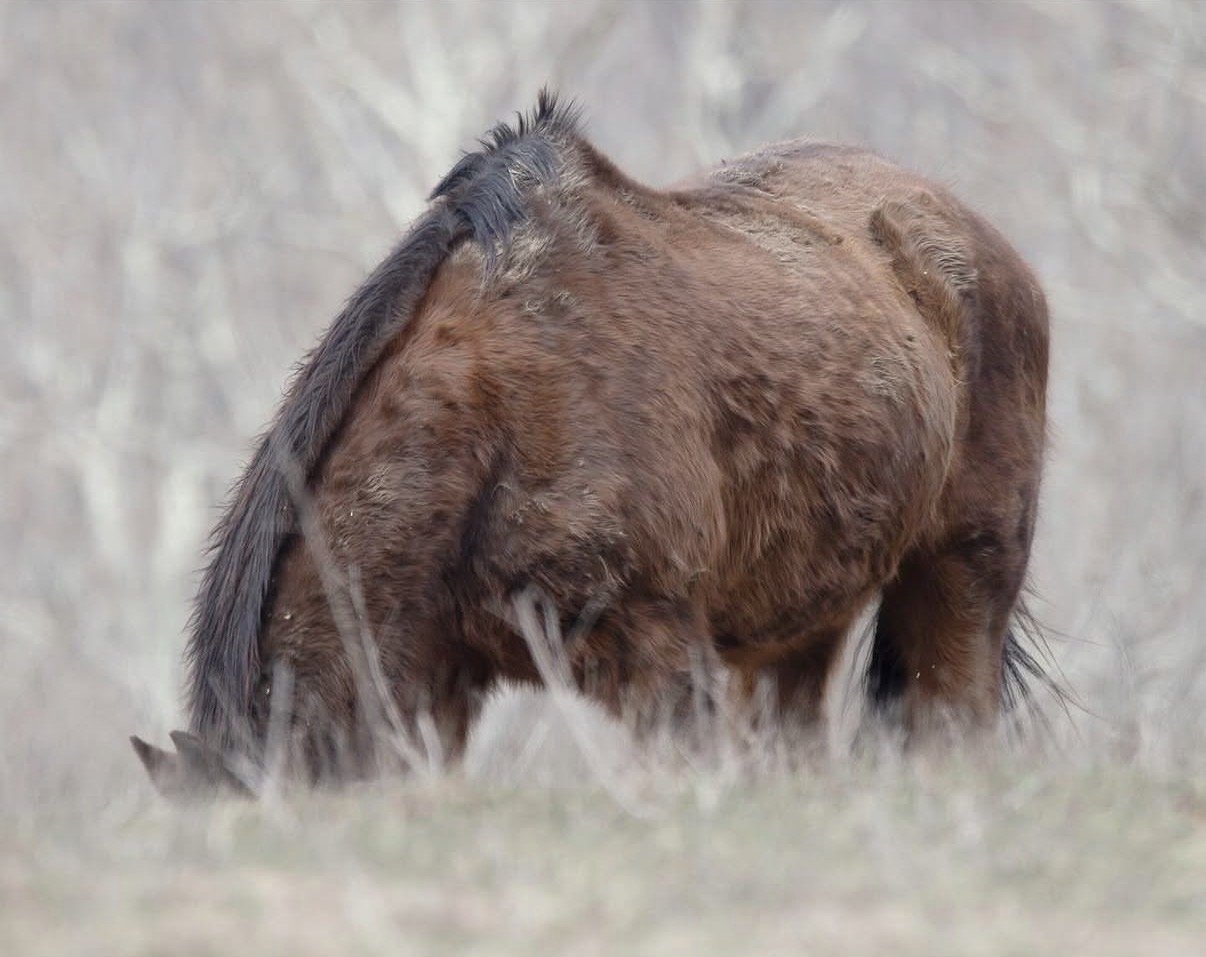
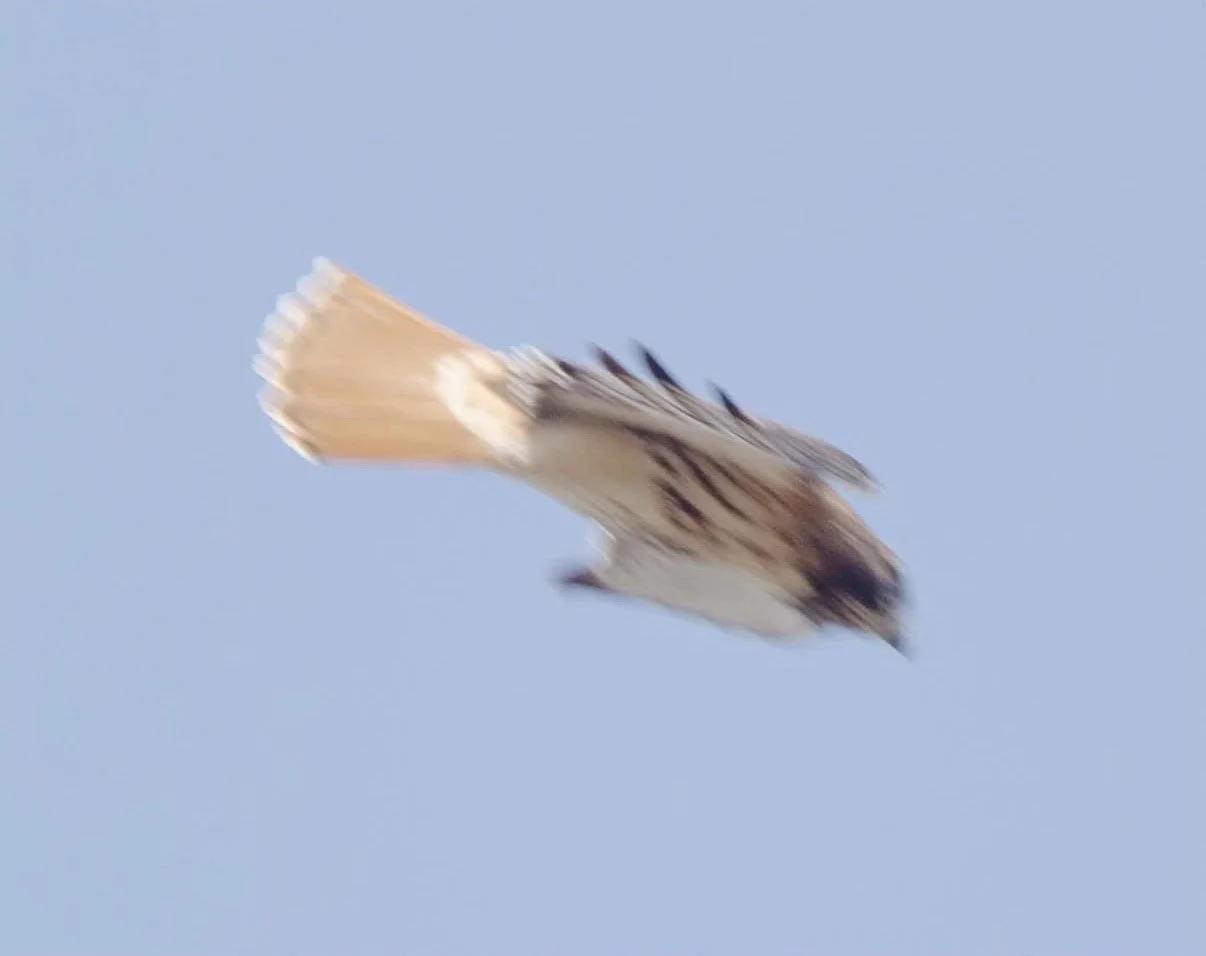
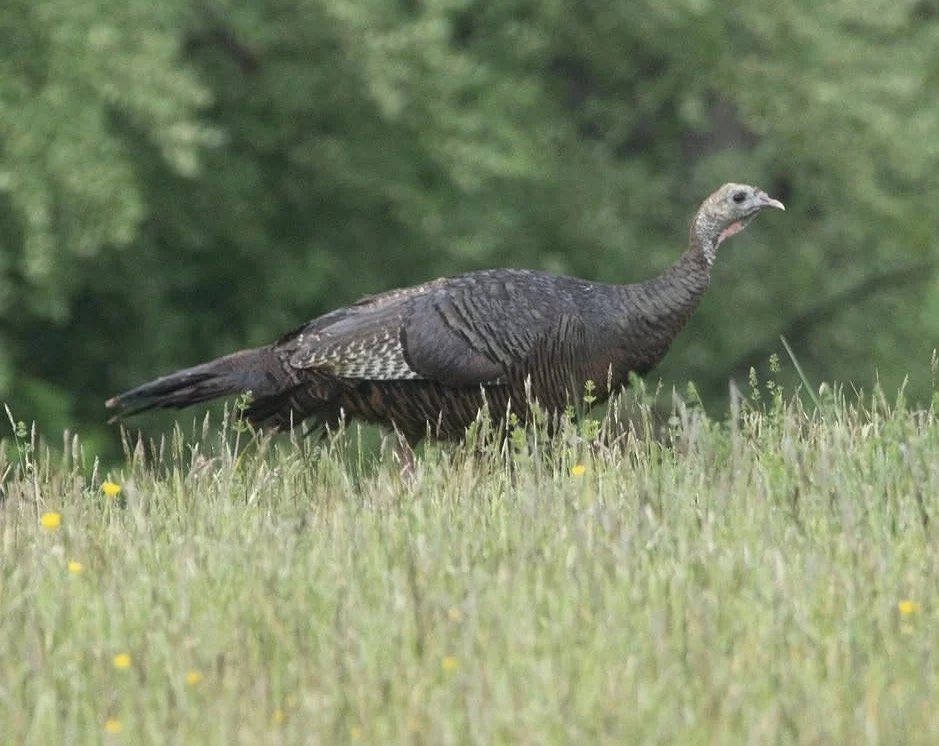
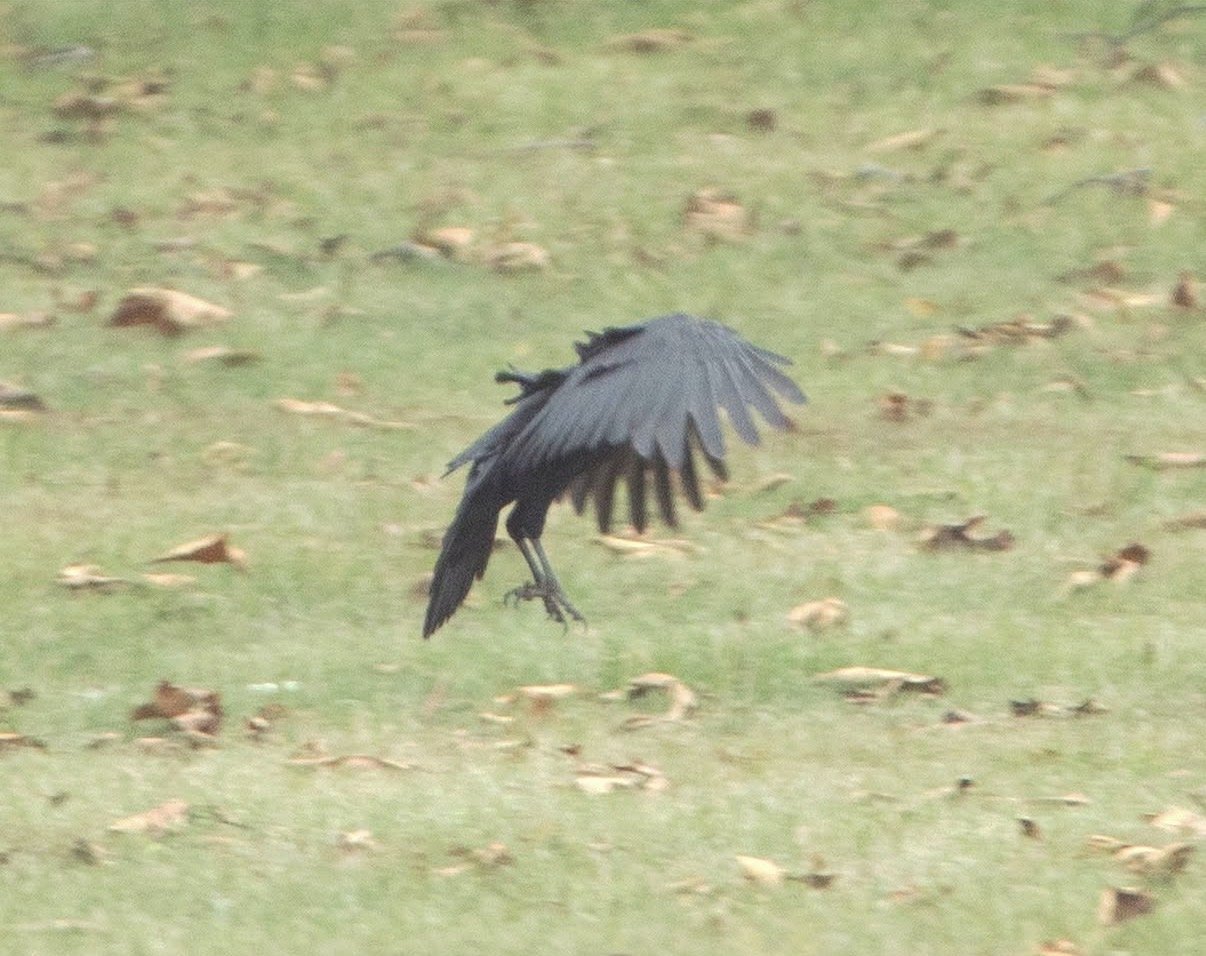
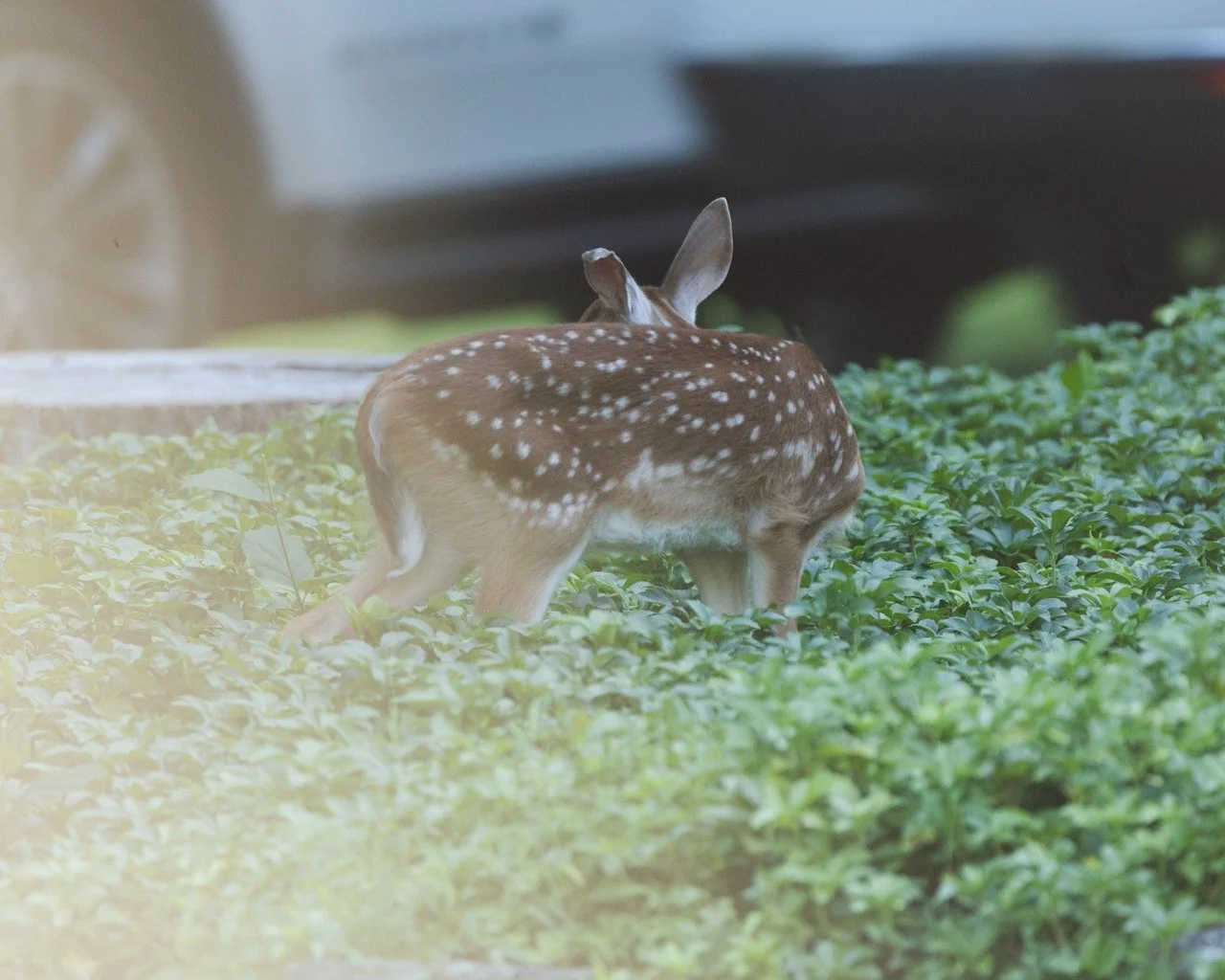
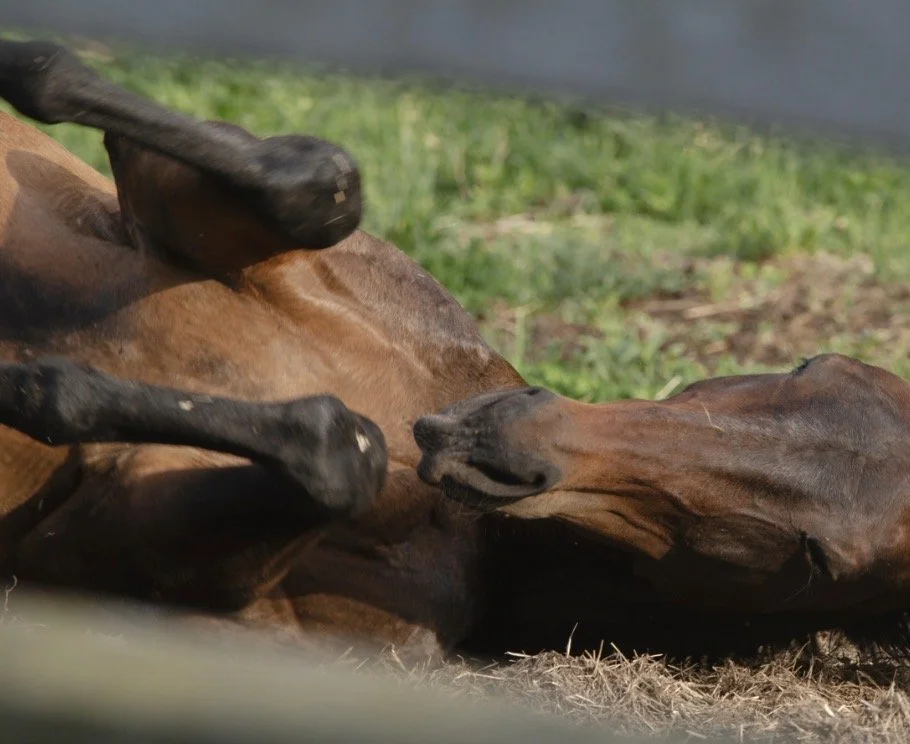
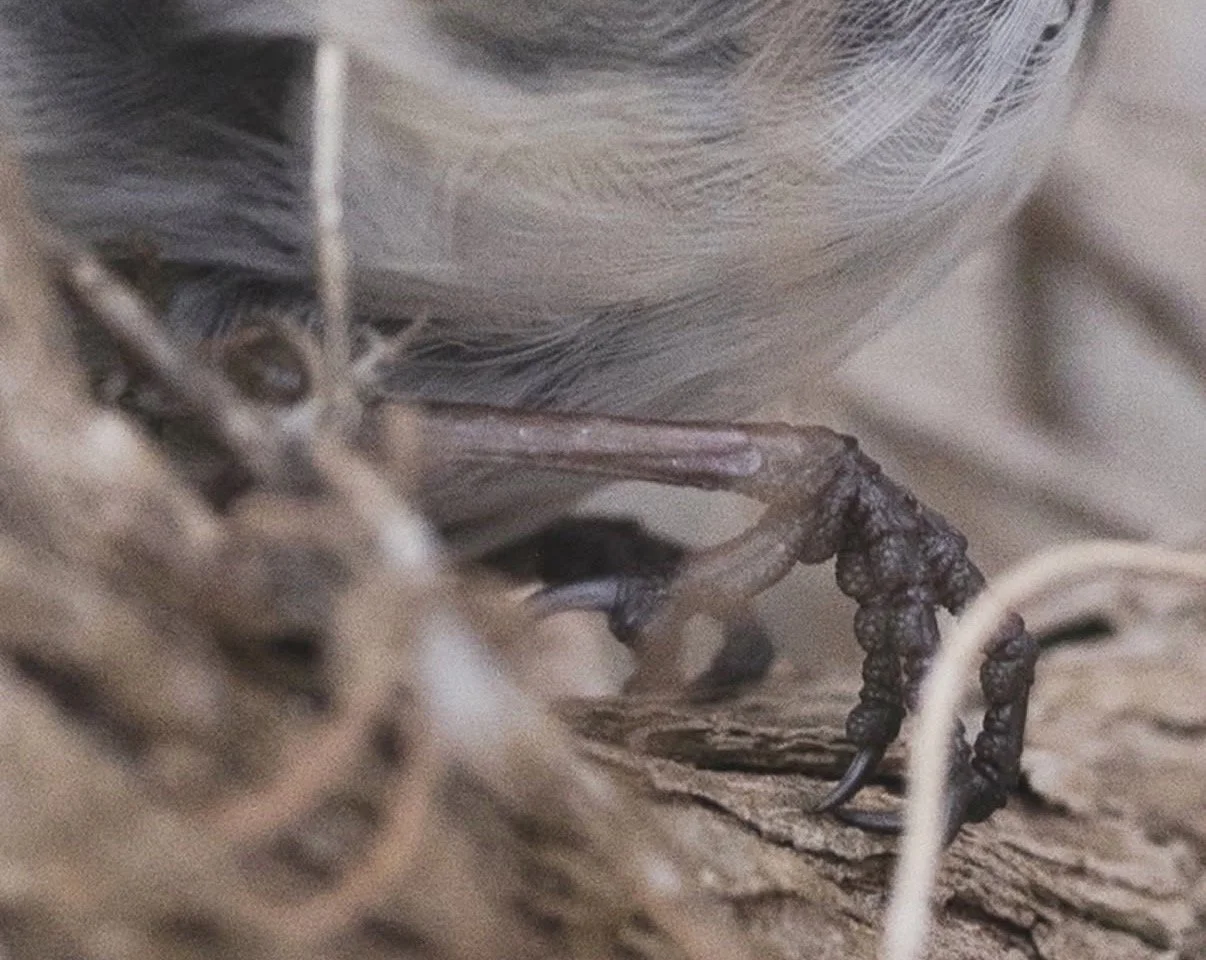
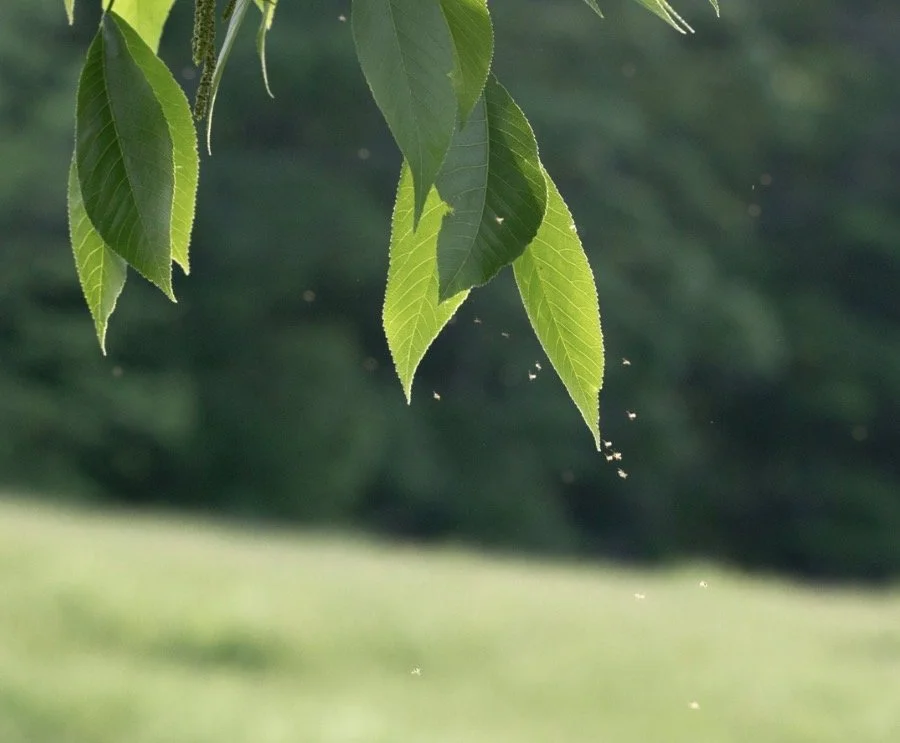
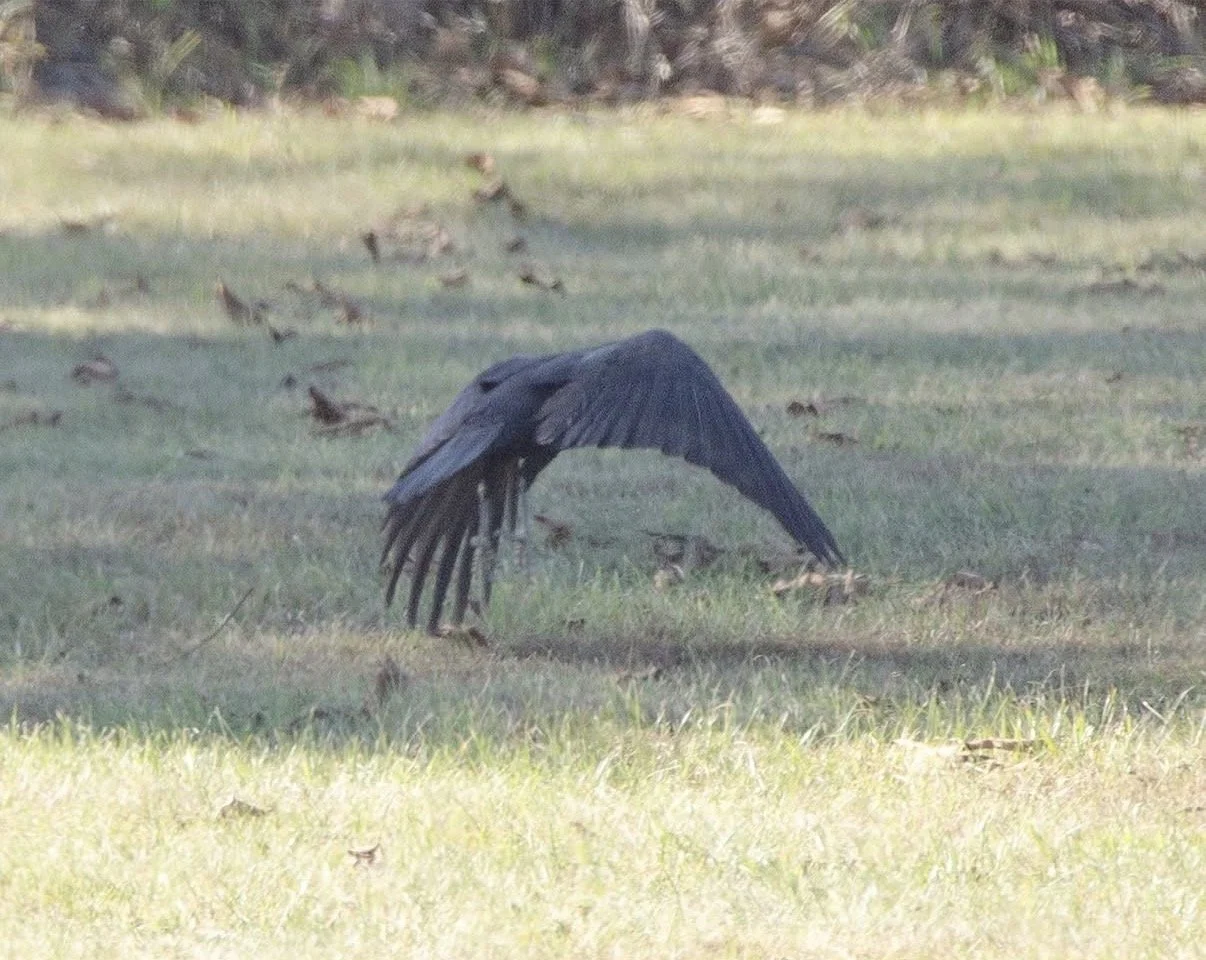
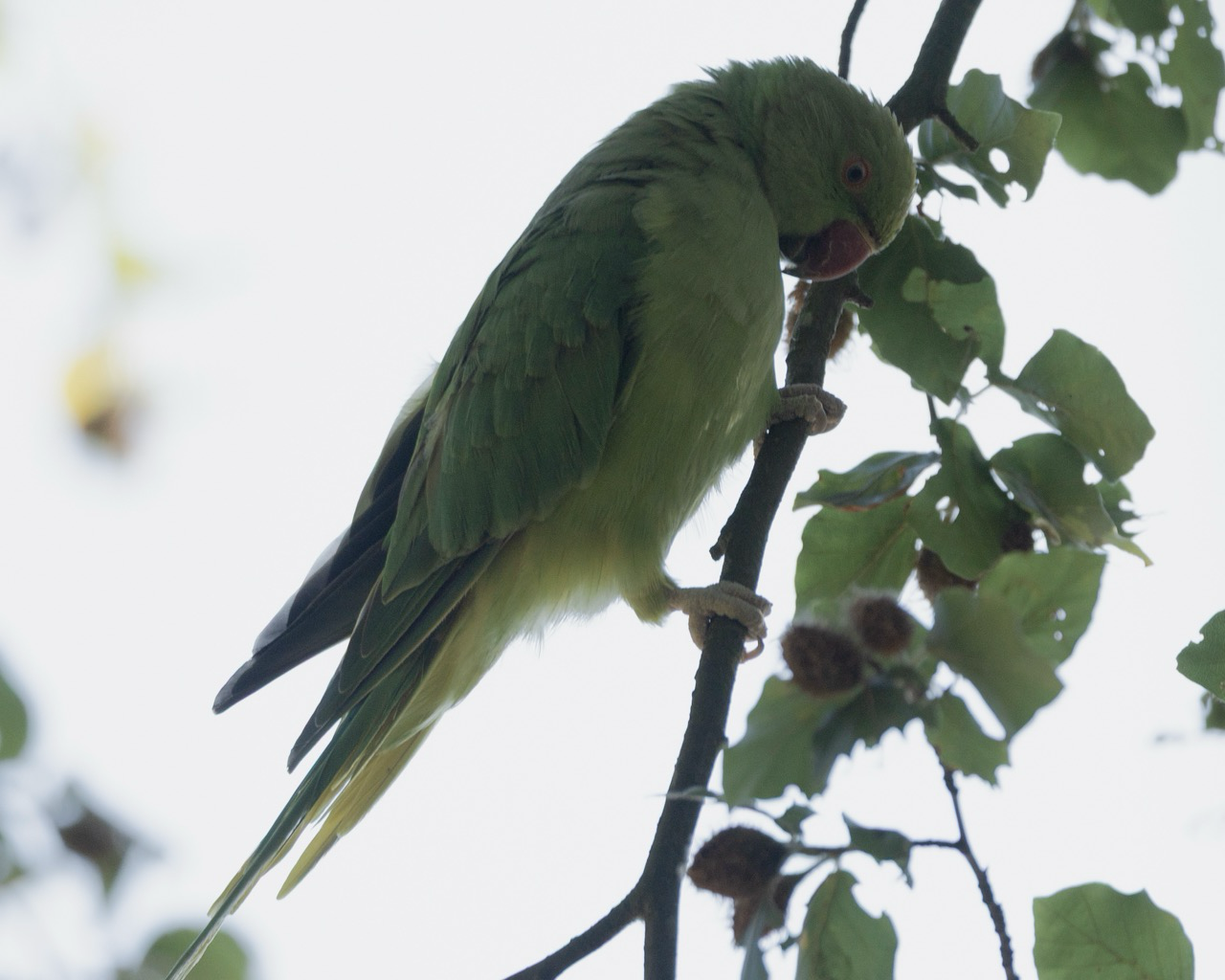
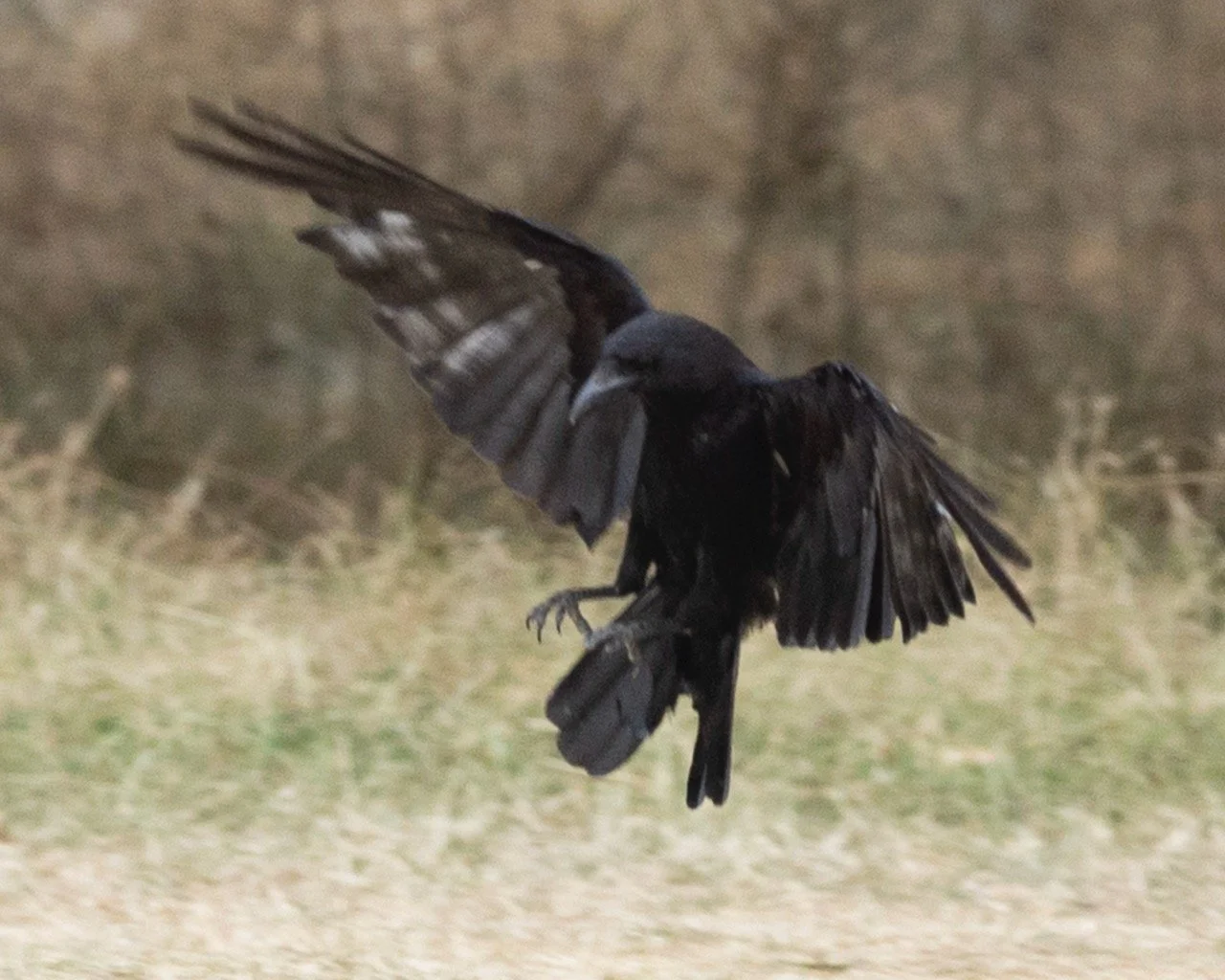
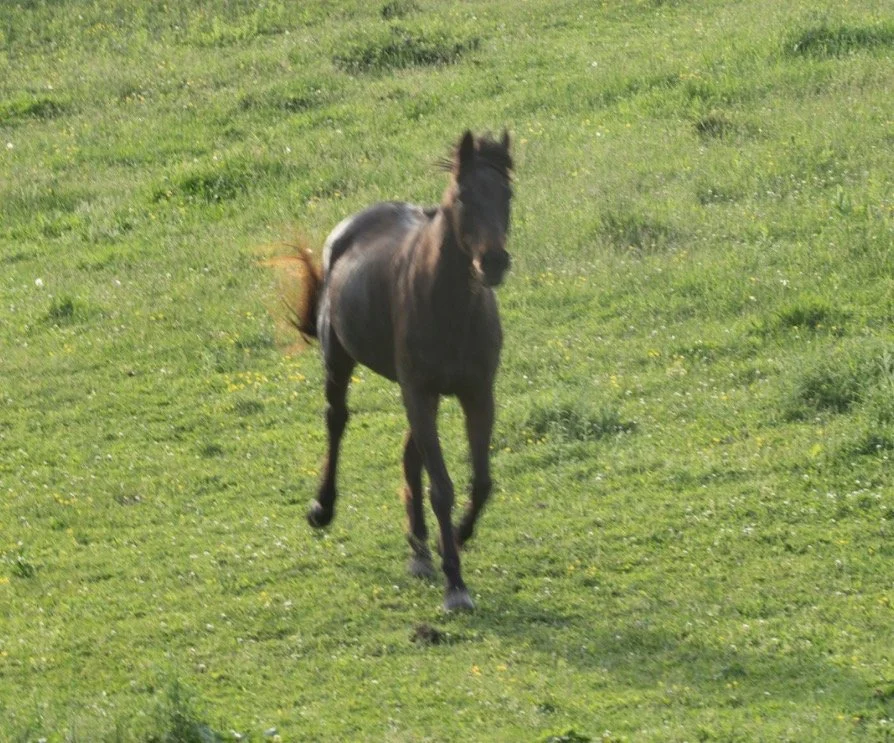
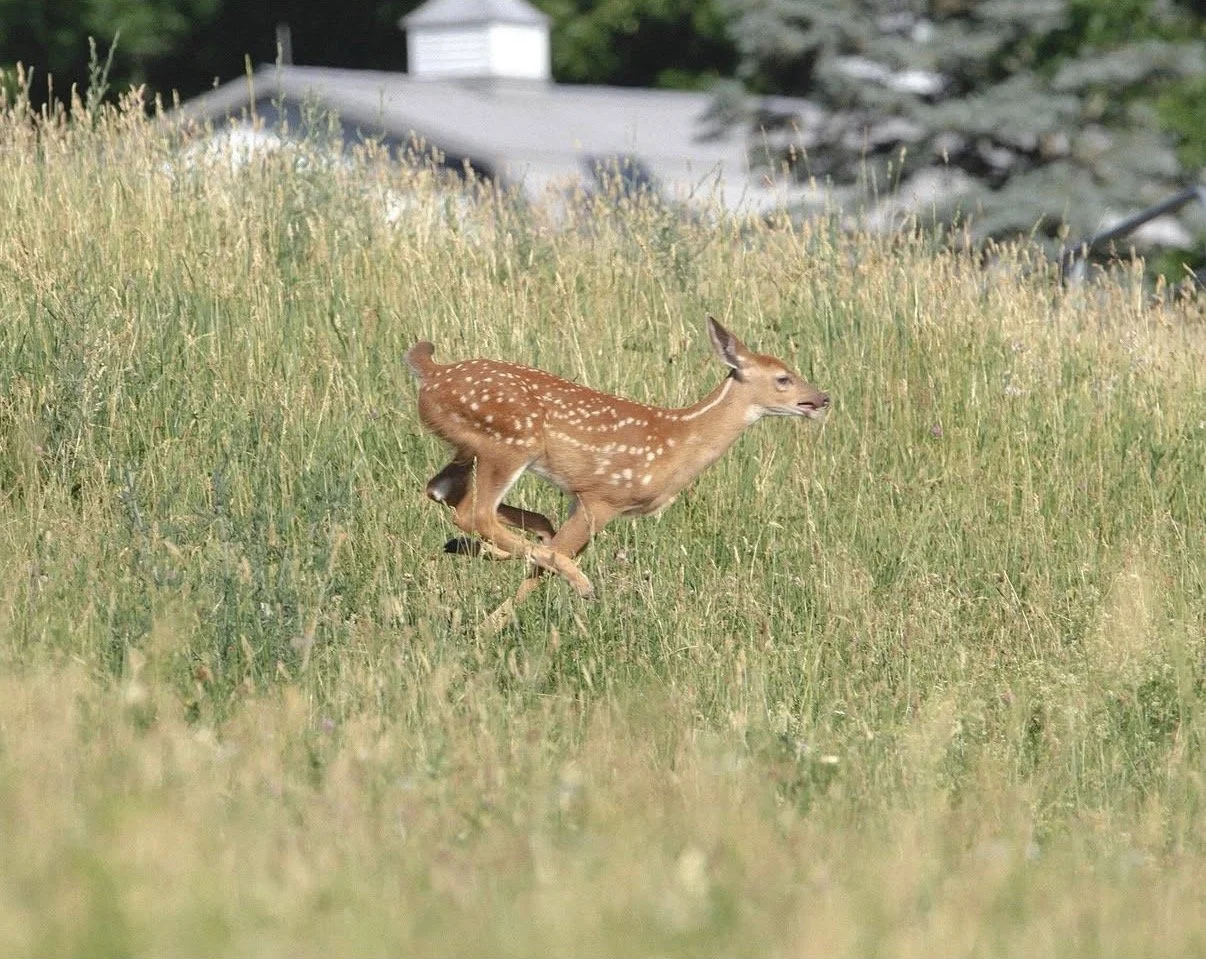
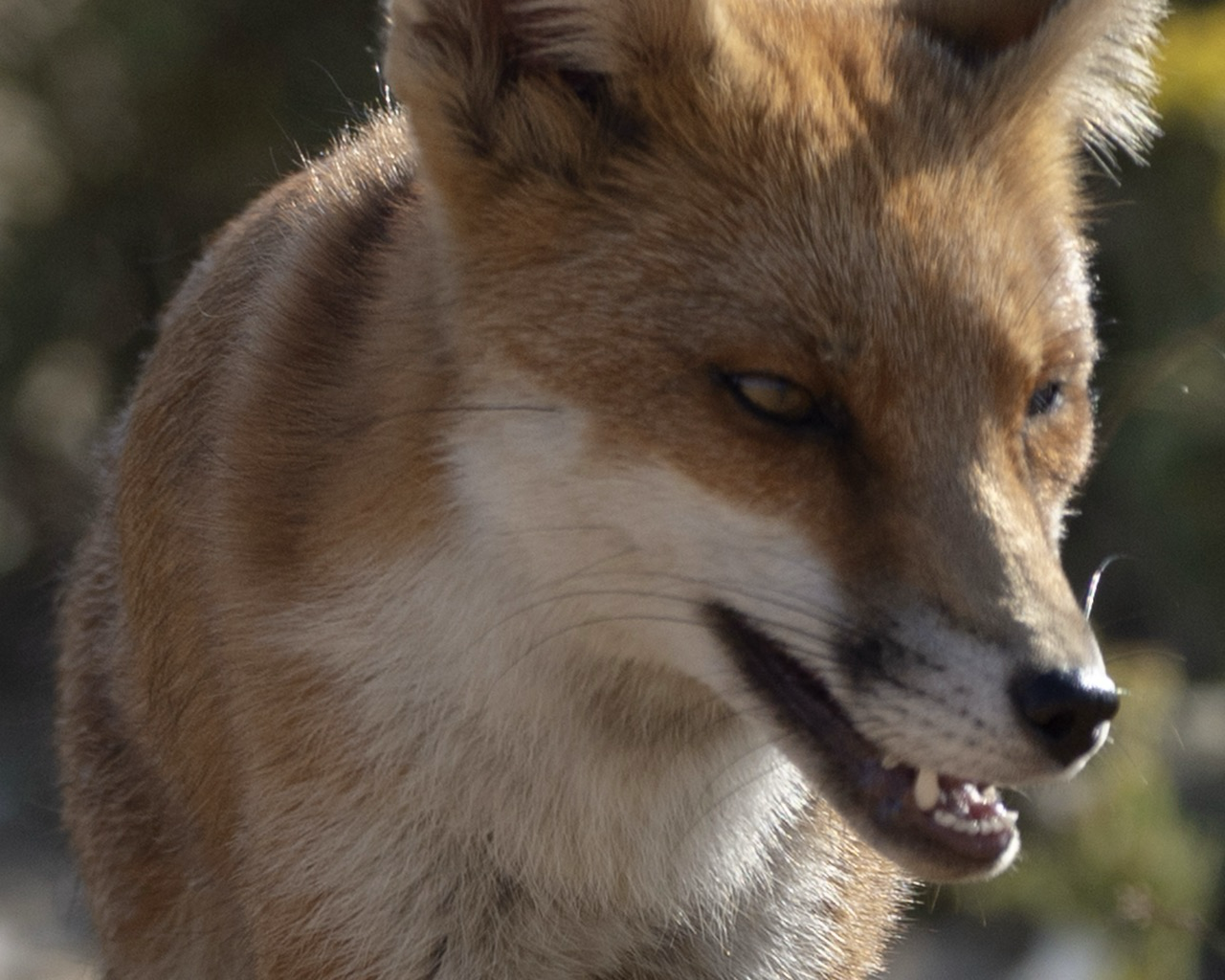
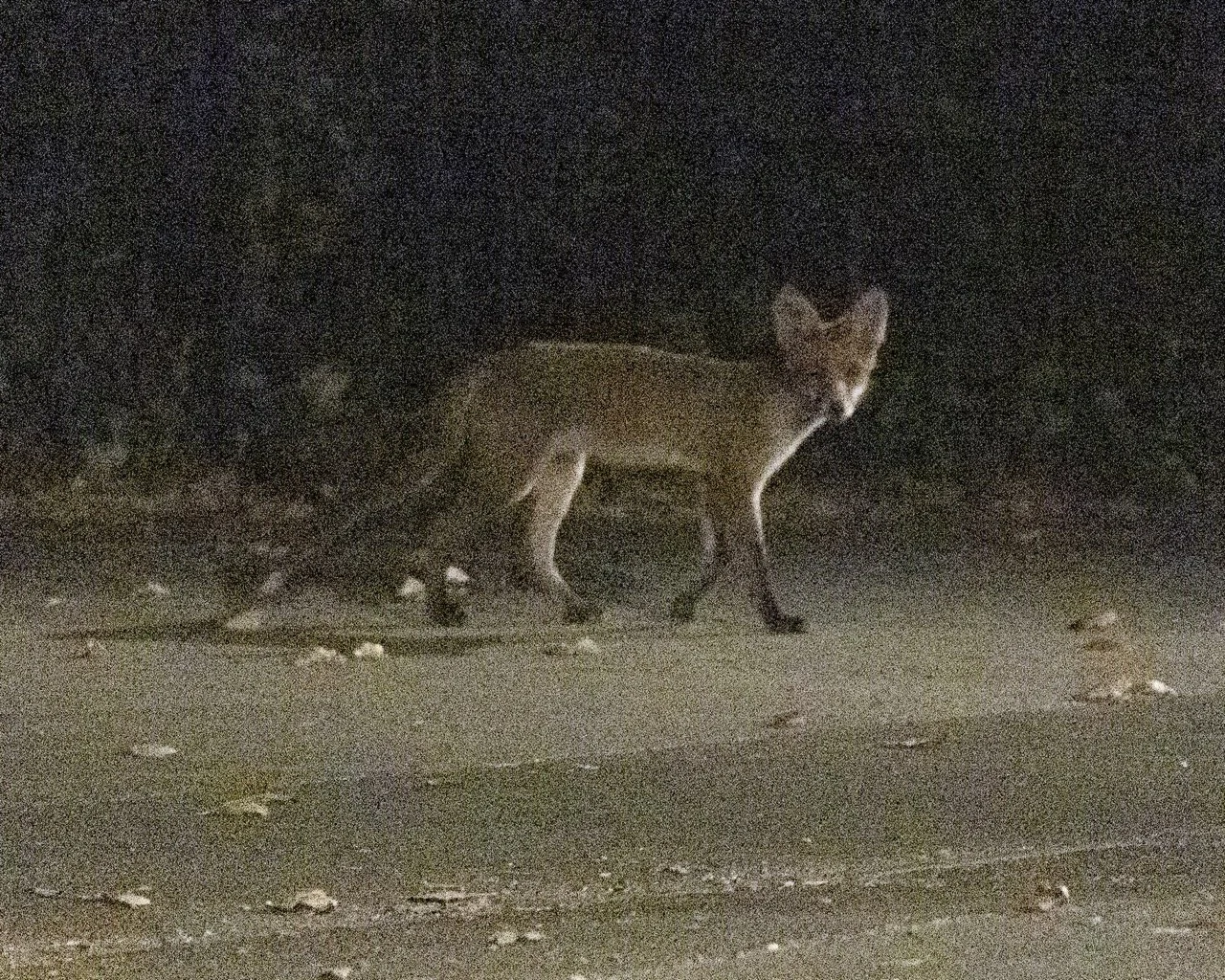
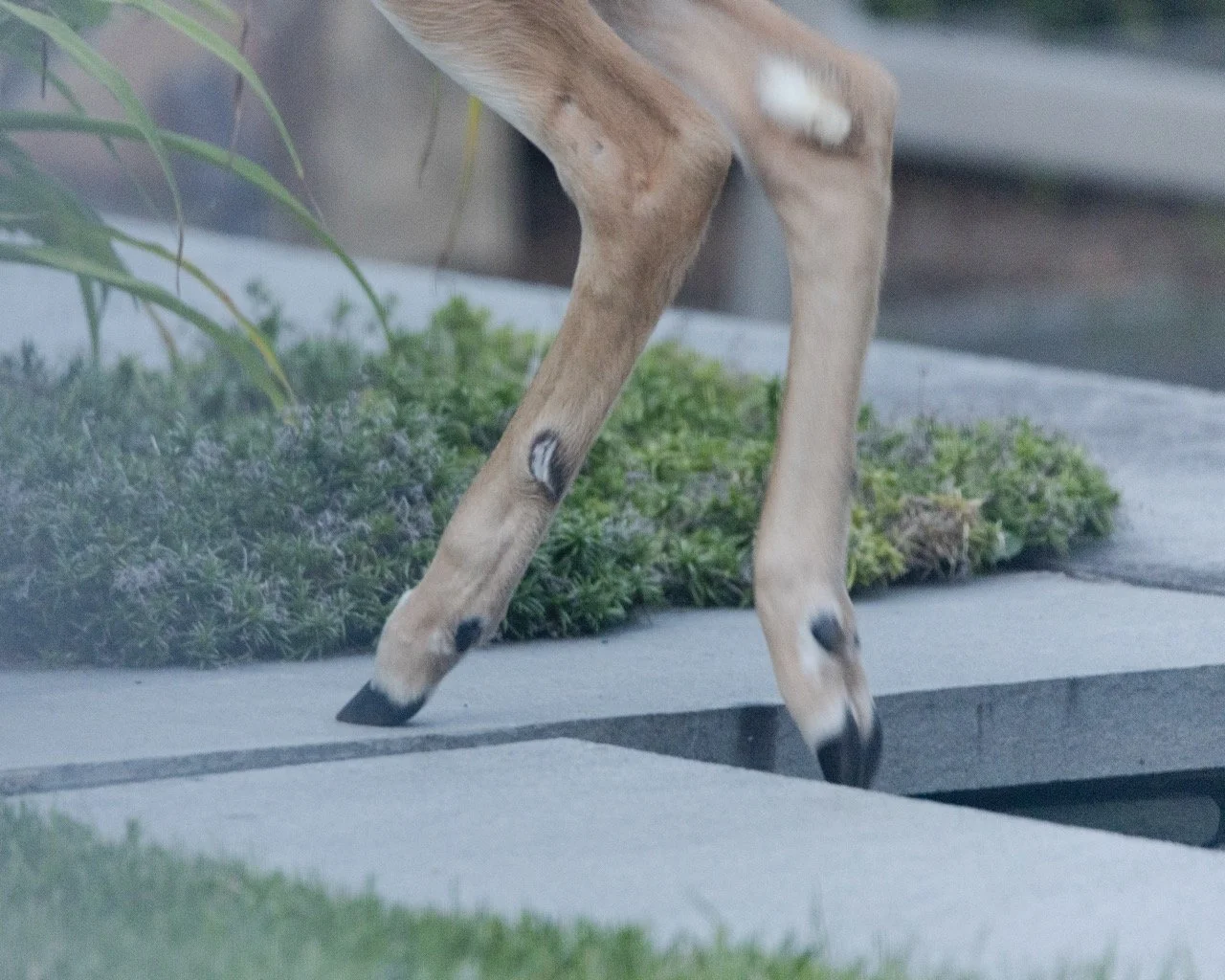
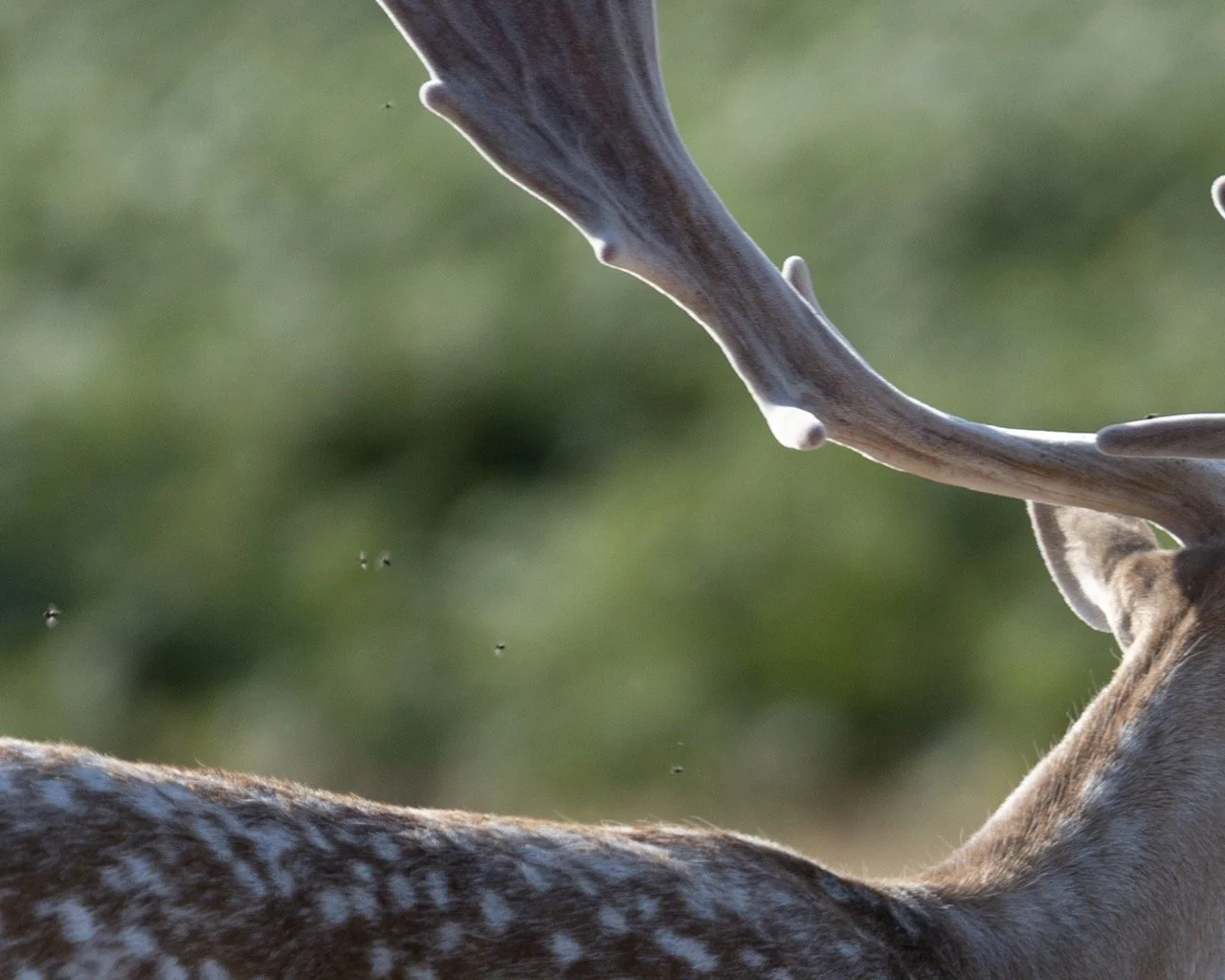
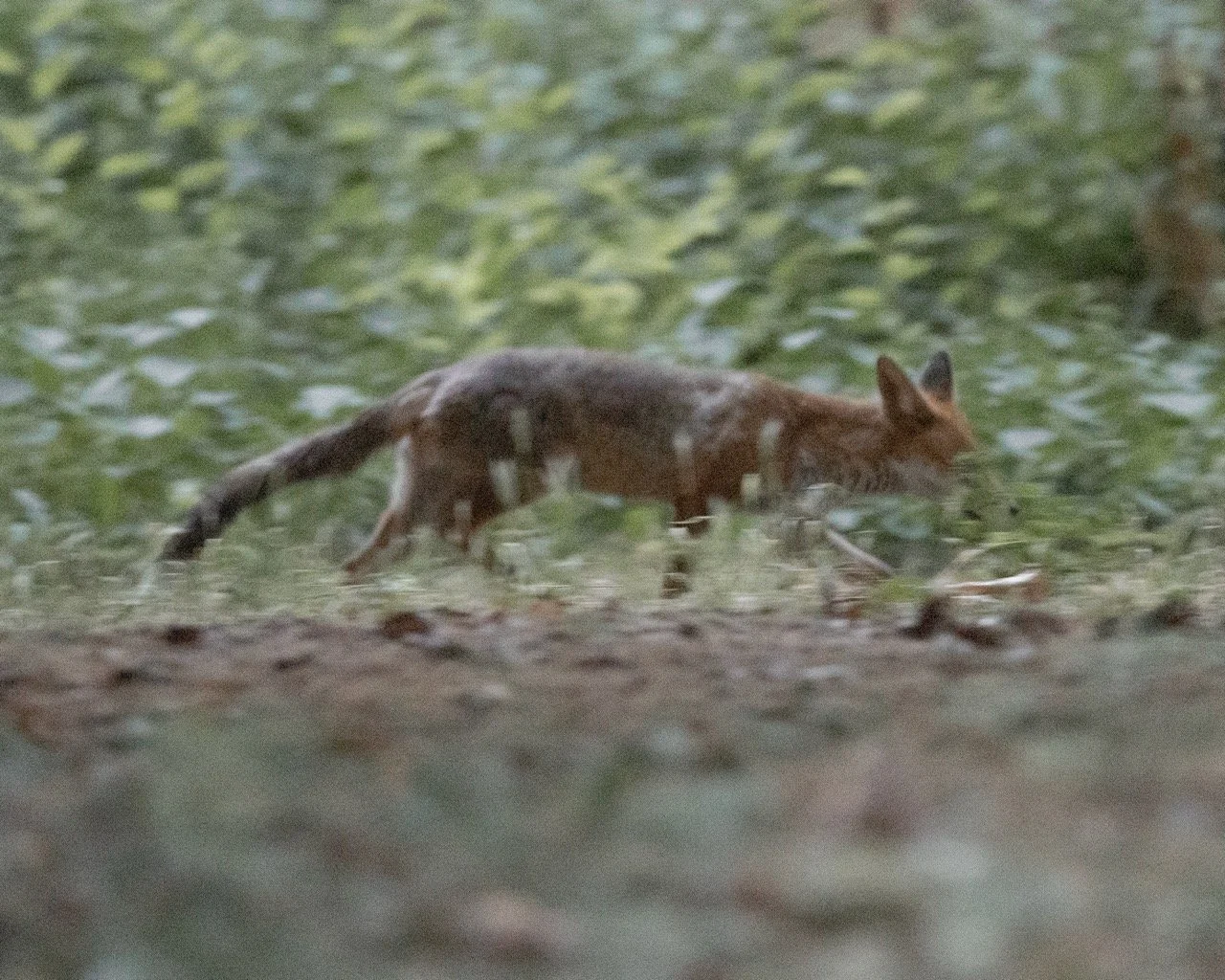
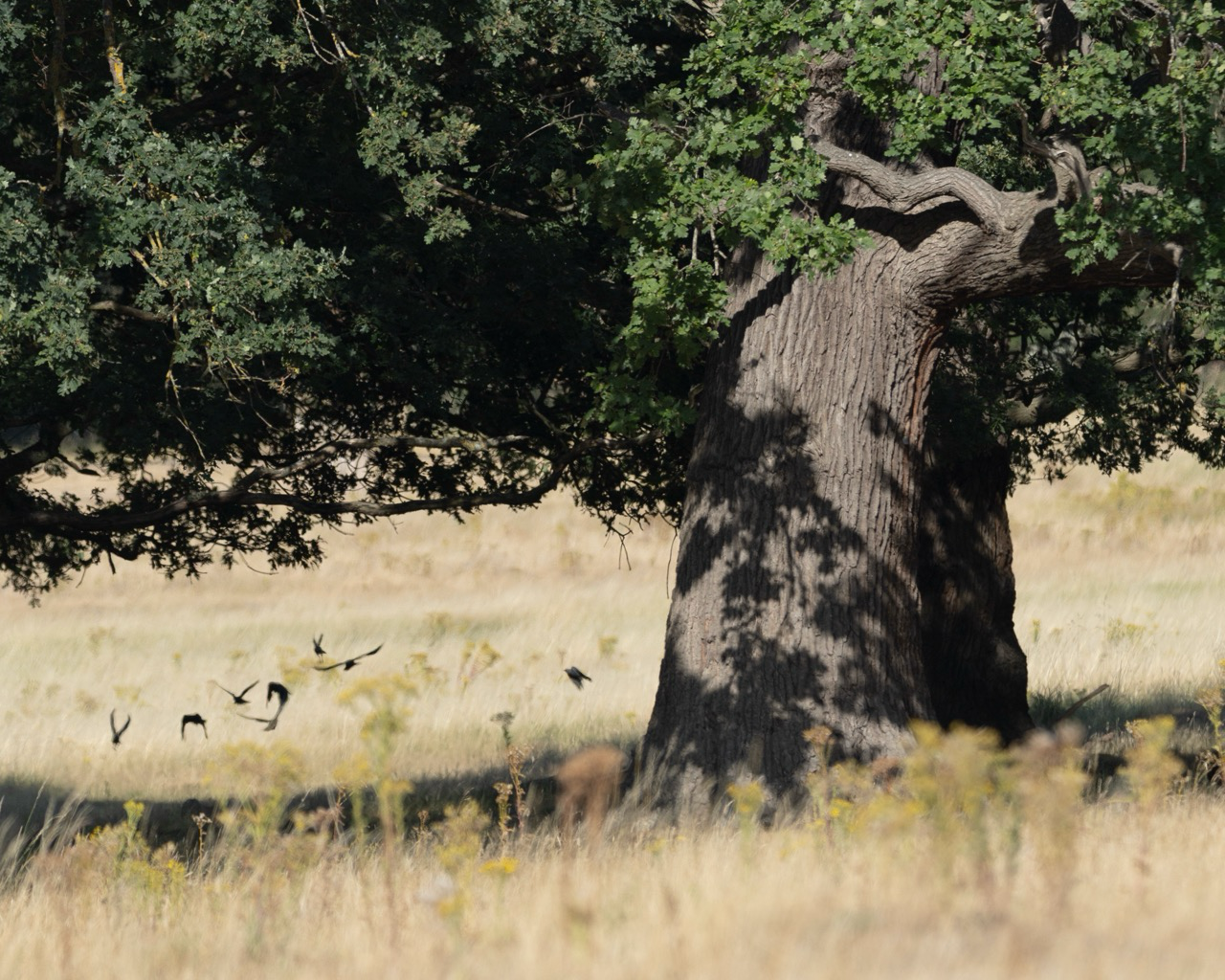
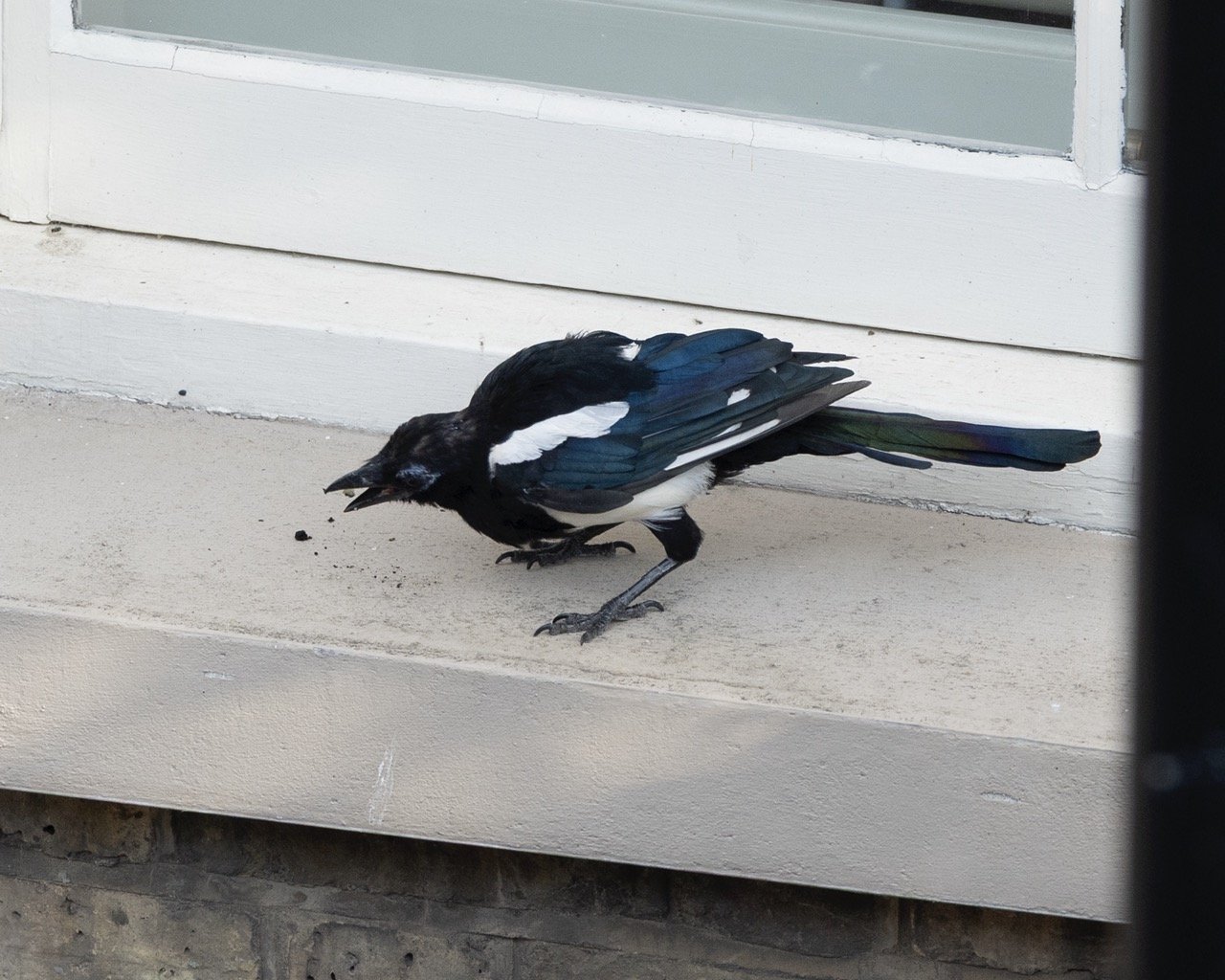
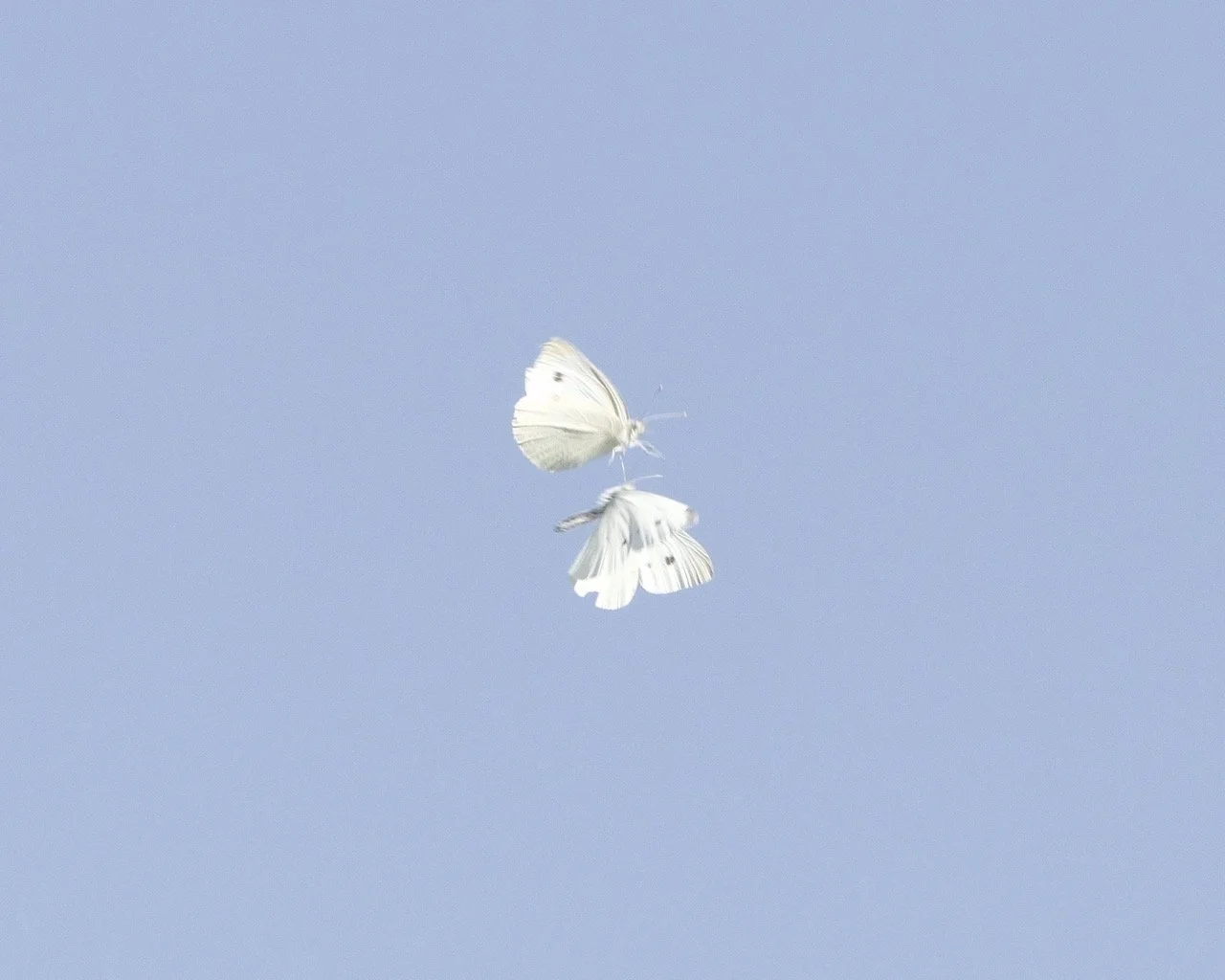
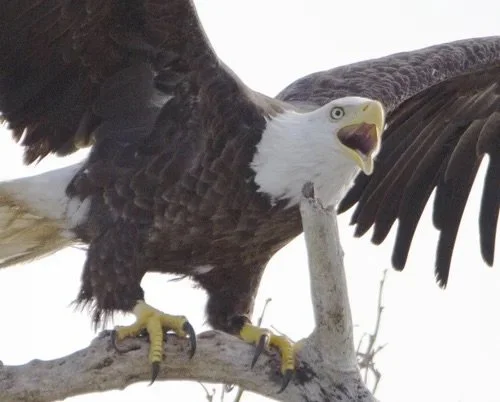
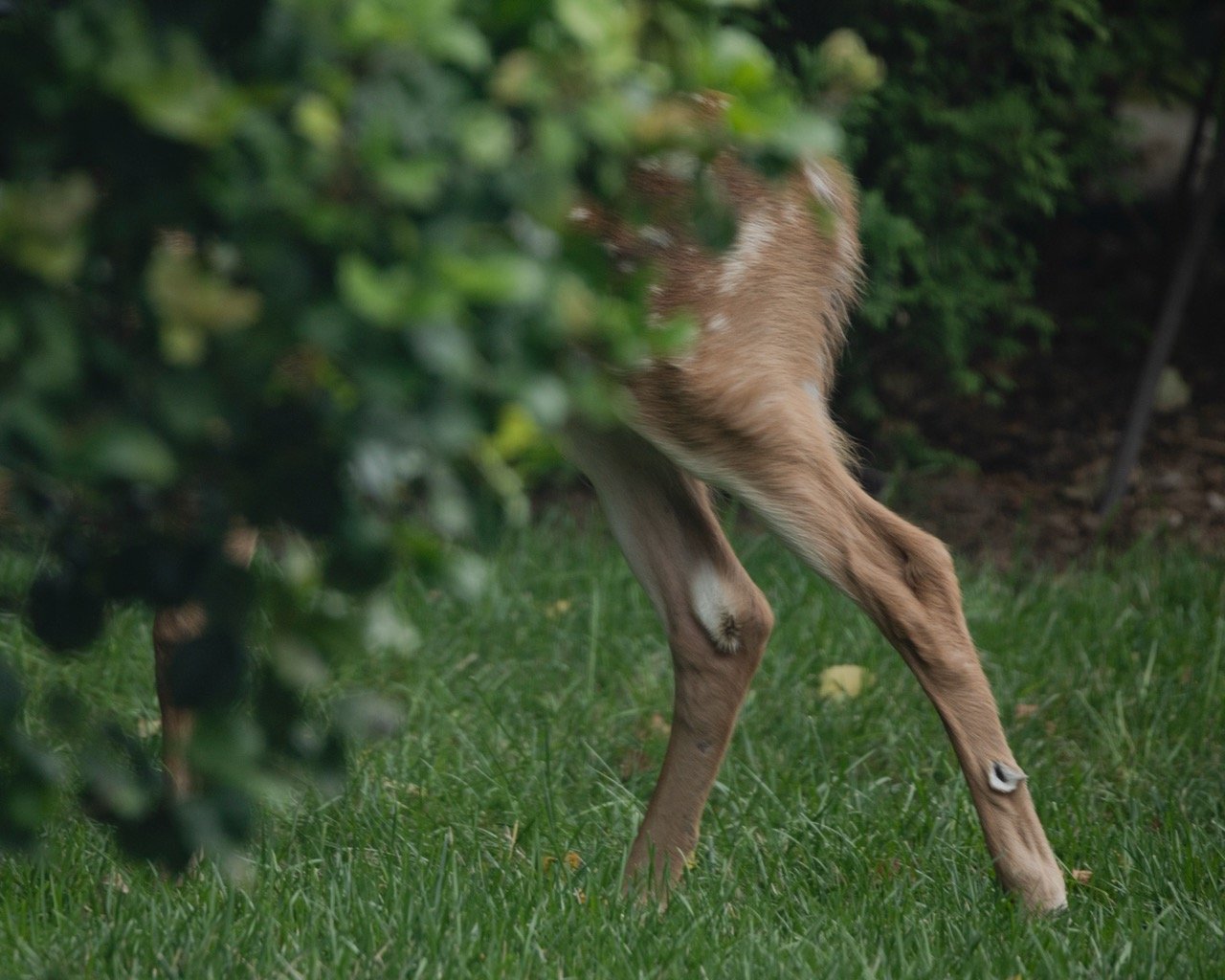
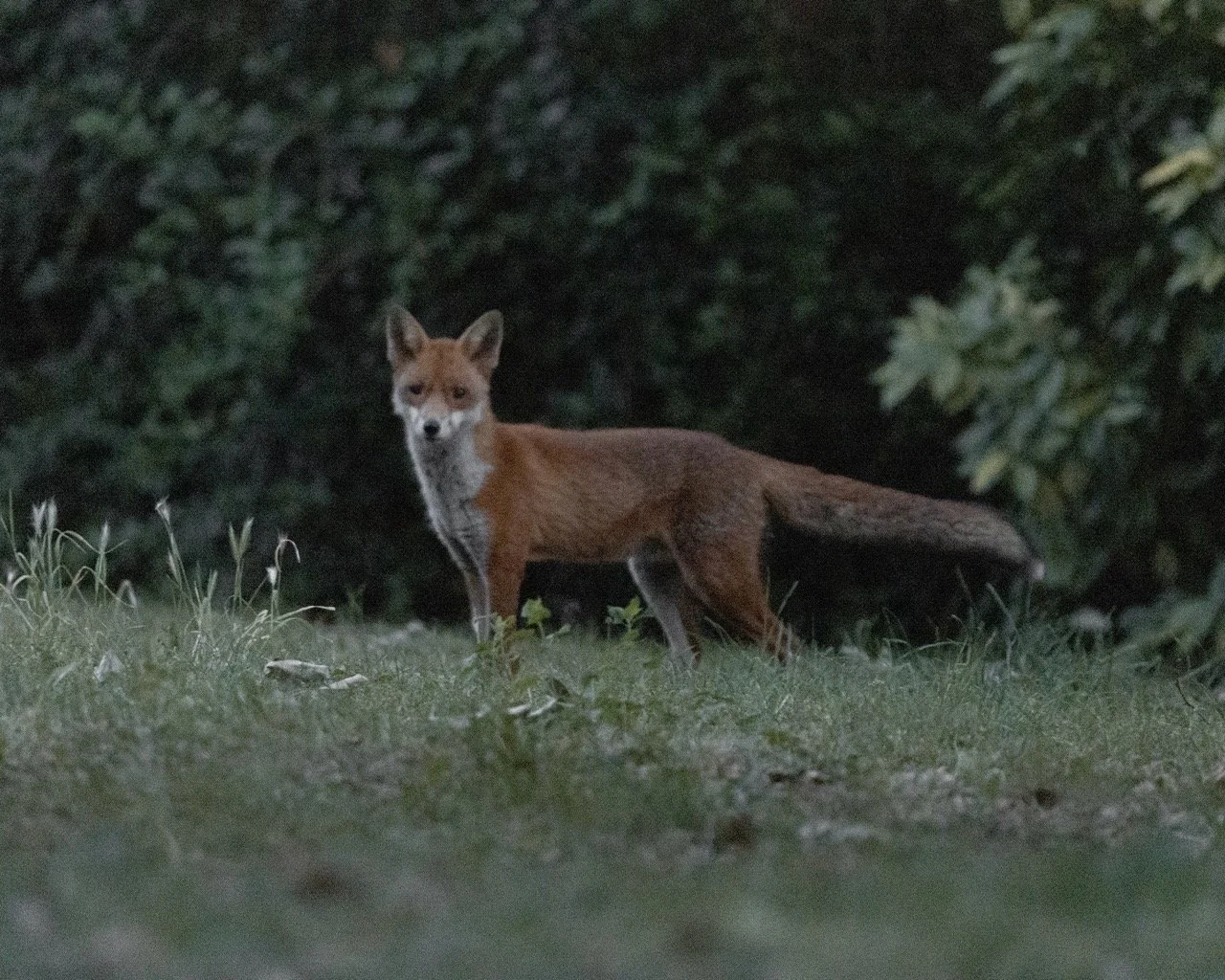
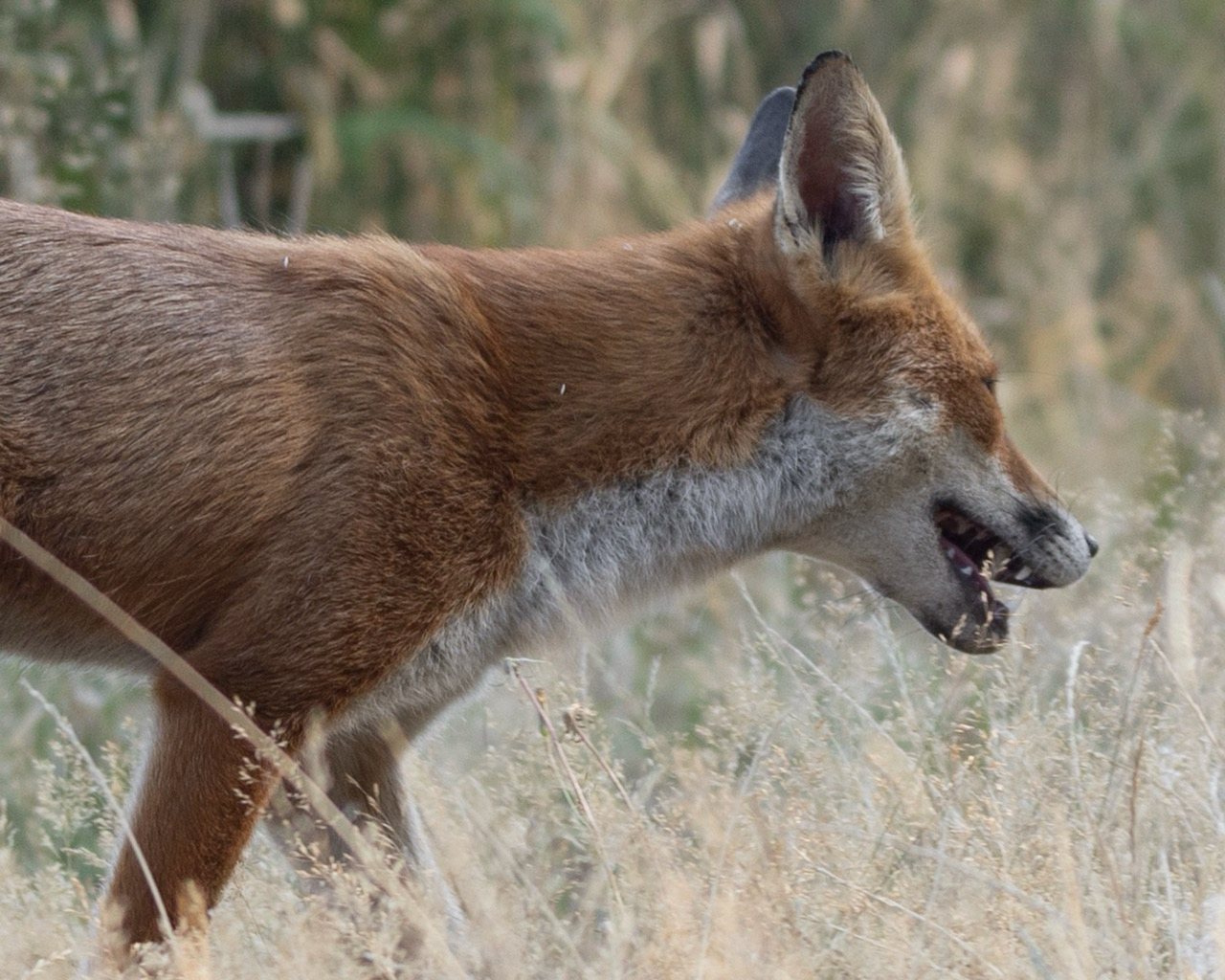
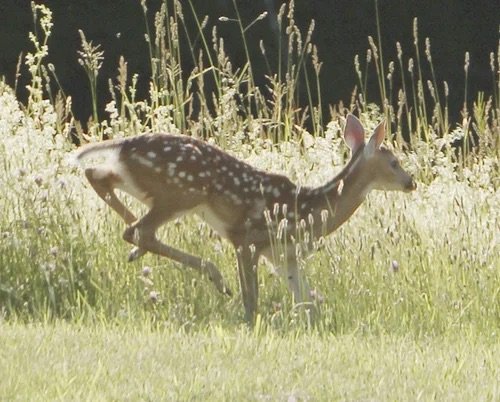
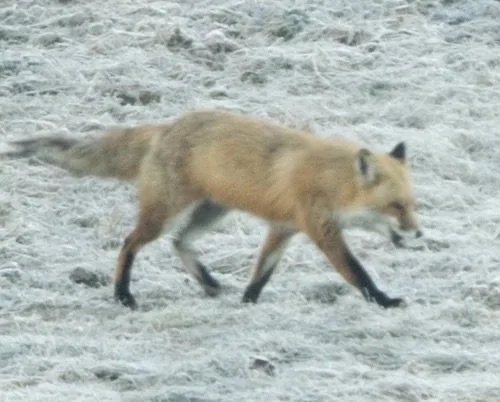
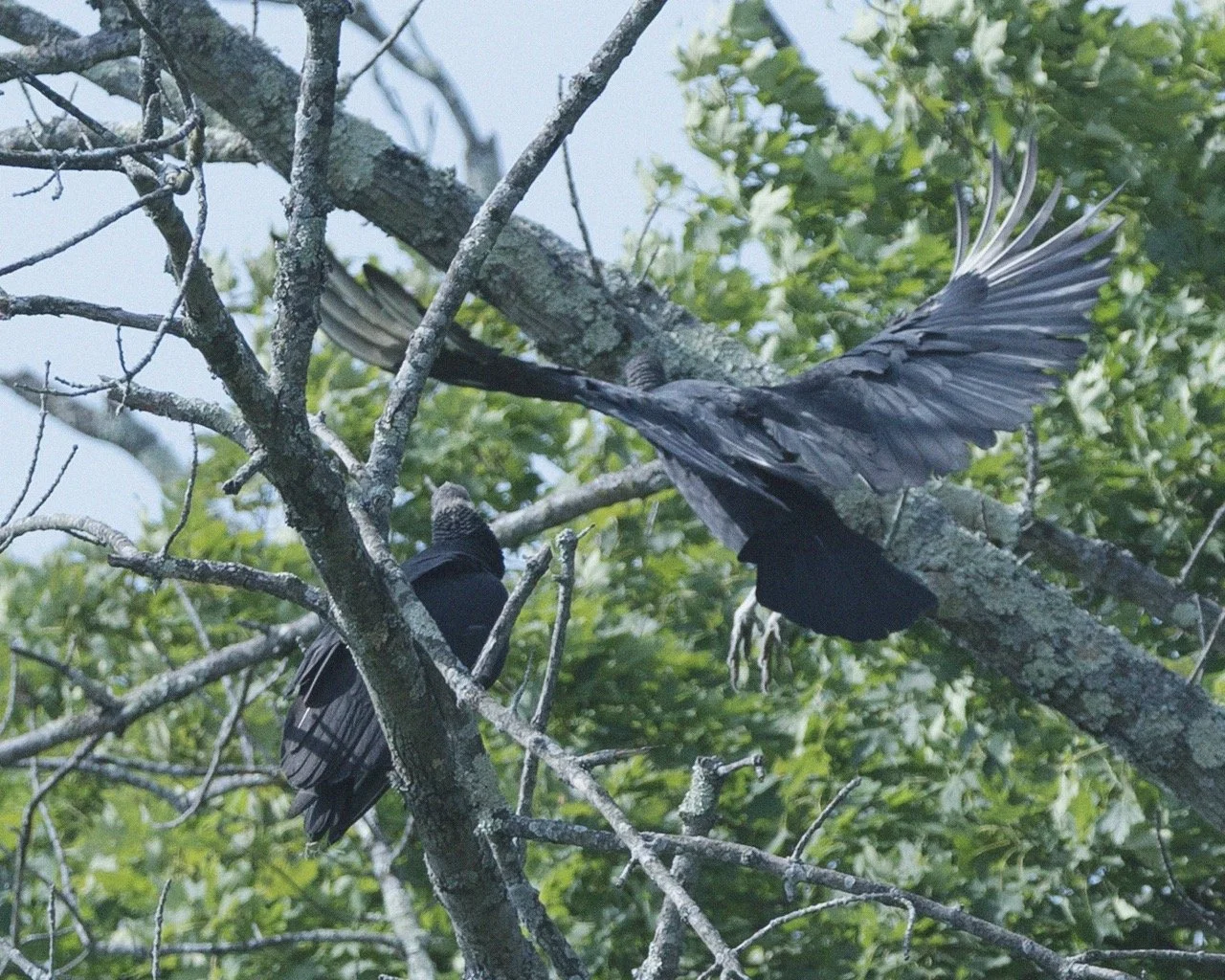
Folkworks is distinctly casual and observational, in contrast to the traditions of contemporary wildlife photography which I have long found to feel too sterile and impersonal. The primary difference in my practice is that I’ve allowed myself to forfeit image resolution in pursuit of a less pedantic process. Relying solely on spontaneous sightings, prioximity is rarely in my favor. To compensate, I lean into extreme cropping which highlights the distance between myself and the animals with a fuzzy, over-compressed look - an appearance that is otherwise widely avoided in this field. This techical informality indicates a more sincere admiration for wildlife, promoting exploration rather than a sport of clarity.
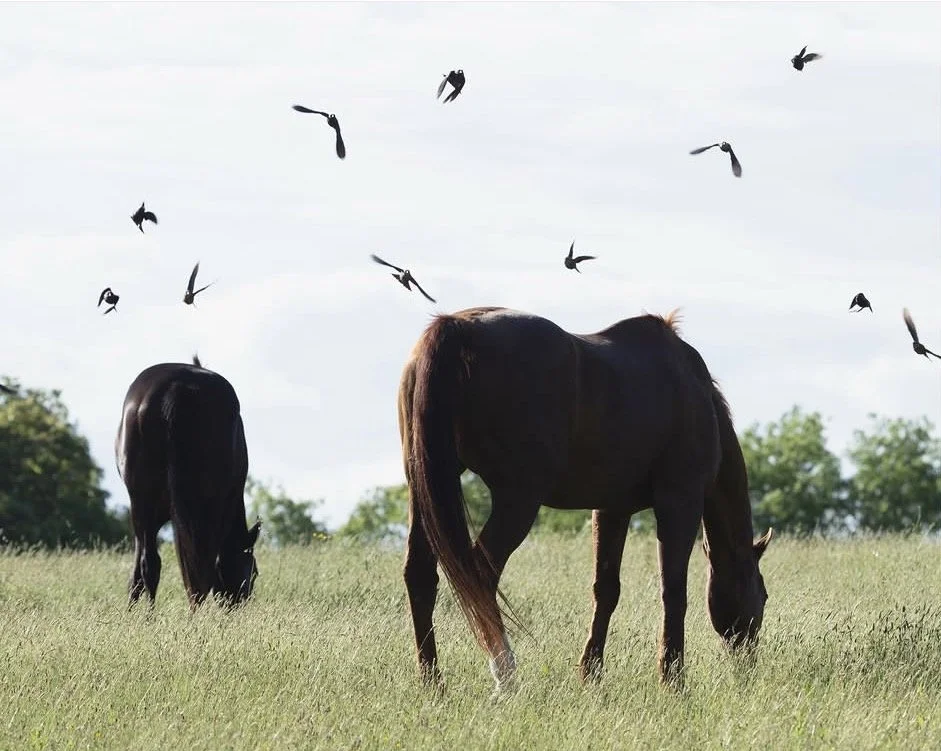
I’ve selected a handful of images that may read as less dazzling or magical than the rest. It’s easy to discredit the unspectacular image as if it is a outtake to be removed. However, I stand against this eagerness to force drama into the everyday, especially within the subject matter of wildlife. There is an endearing tone of relatability to nature’s more mundane side that helps ground the series altogether. By relaxing the constructs of wildlife photography, this body of work stands up to the technical ego and advocates for the aesthetic value in an understated landscape. The same crows, horses, foxes, and deer become returning characters, fostering an optimistic sense of community and familiarity.
Meeting photographer Angela Hill in London, I showed her a rough draft of this book since it reminded me of certain aspects of her work. Her feedback helped me realize an important trait of the series. She twice described the images as being particularly sensitive in a way that reminded her of editorial portraits. Ironically, I was in her shop to buy Winter Vandenbrink’s Wolves– a series of fashion-adjacent portraiture that had already influenced Folkworks significantly. It highlighted several characteristics that young men have in common with canines, and was photographed in a style that sits somewhere between paparazzi and National Geographic photos.
Looking at Folkworks, there is a similar, but reversed, theme of its subjects not matching the way they’re photographed. Vandenbrink represents people as wildlife, and Folkworks does the opposite. Granted, the standard look of “people photography” is much less clearly defined than that of animal photography. Angela helped me recognize, though, that these photos did in fact represent animals in a more personal and emotionally nuanced light, similar to how celebrities and supermodels are represented in fashion media. Especially within the context of my fashion-oriented audience and collaborators, I’m presenting nature as a young, cool, and idyllic luxury.
Aside from ex-racehorses, none of the animals shown in this book were photographed in captivity. Alexander lives on an equine boarding property and has a relationship with the horses, visiting them daily and occasionally feeding them when their owner is unavailable. All other animals were encountered and photographed in their natural habitats.Several animals are shown interacting with man-made roofs, walls, and fences, which is healthy and natural behavior for species living amongst human development. While photographing, it was important to Alexander that he upheld a respectful and non-threatening presence to the best of his ability. However, it is likely that some animals were intimidated or distressed during these encounters.